
THE FUTURE OF EDUCATION: YOUTH LEADERSHIP, INNOVATION AND COMMUNTIY IMPACT
The Green Guardians Education Summit was held on Friday, 3rd July 2026, at the Federal College of Agriculture, Akure, Ondo State, bringing together about 100 participants from across the education sector, including school owners, administrators, teachers, parents, students, and representatives from the Ministry of Education.
The summit, themed “The Future of Education in Africa: Youth Leadership, Innovation and Community Impact,” created a platform for meaningful conversations around the future of education in Africa and the urgent need to prepare young people beyond classroom learning. The event focused on how schools can become spaces where students are not only taught academic subjects but also trained to lead, solve problems, innovate, and contribute meaningfully to their communities.
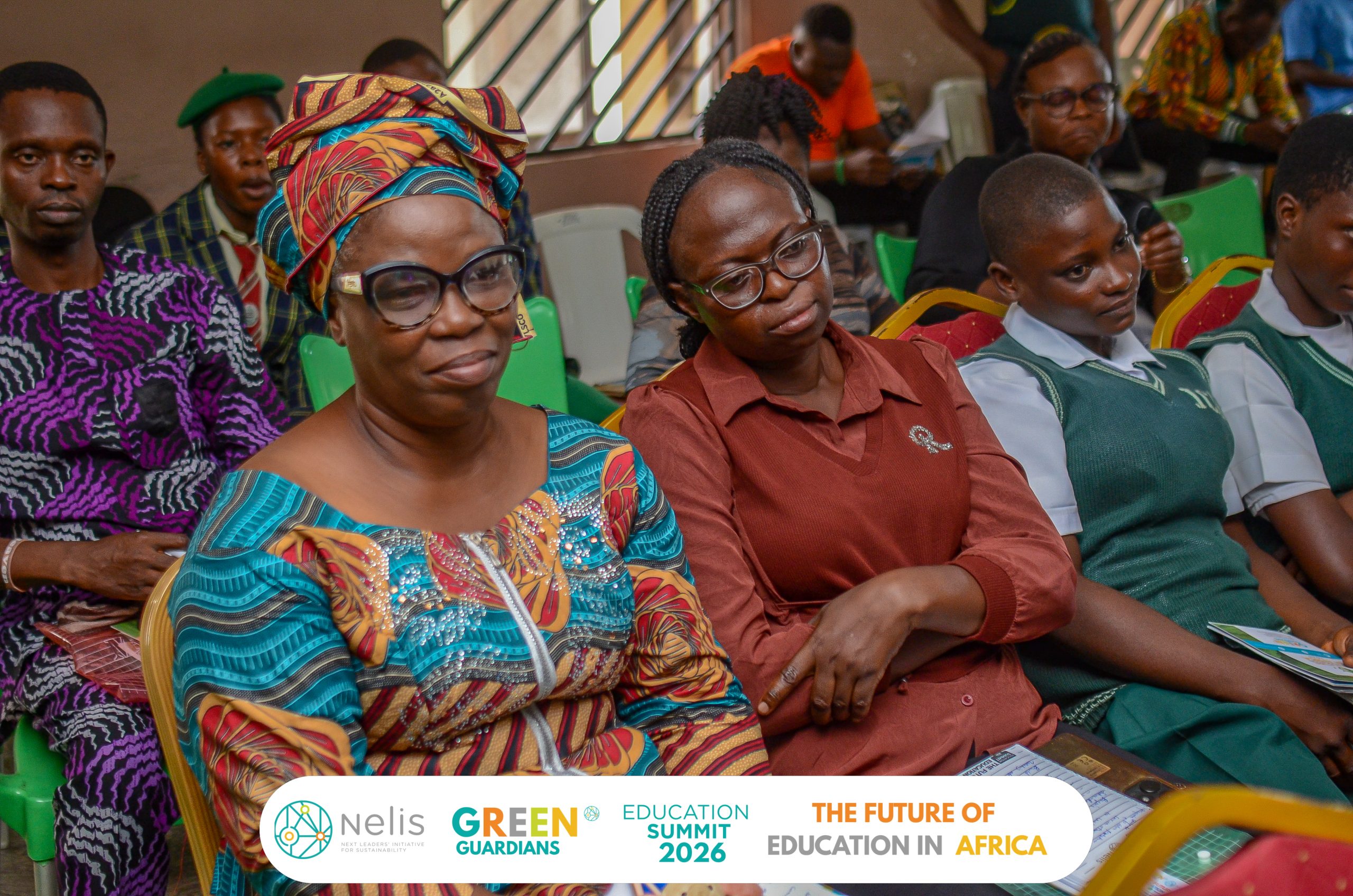
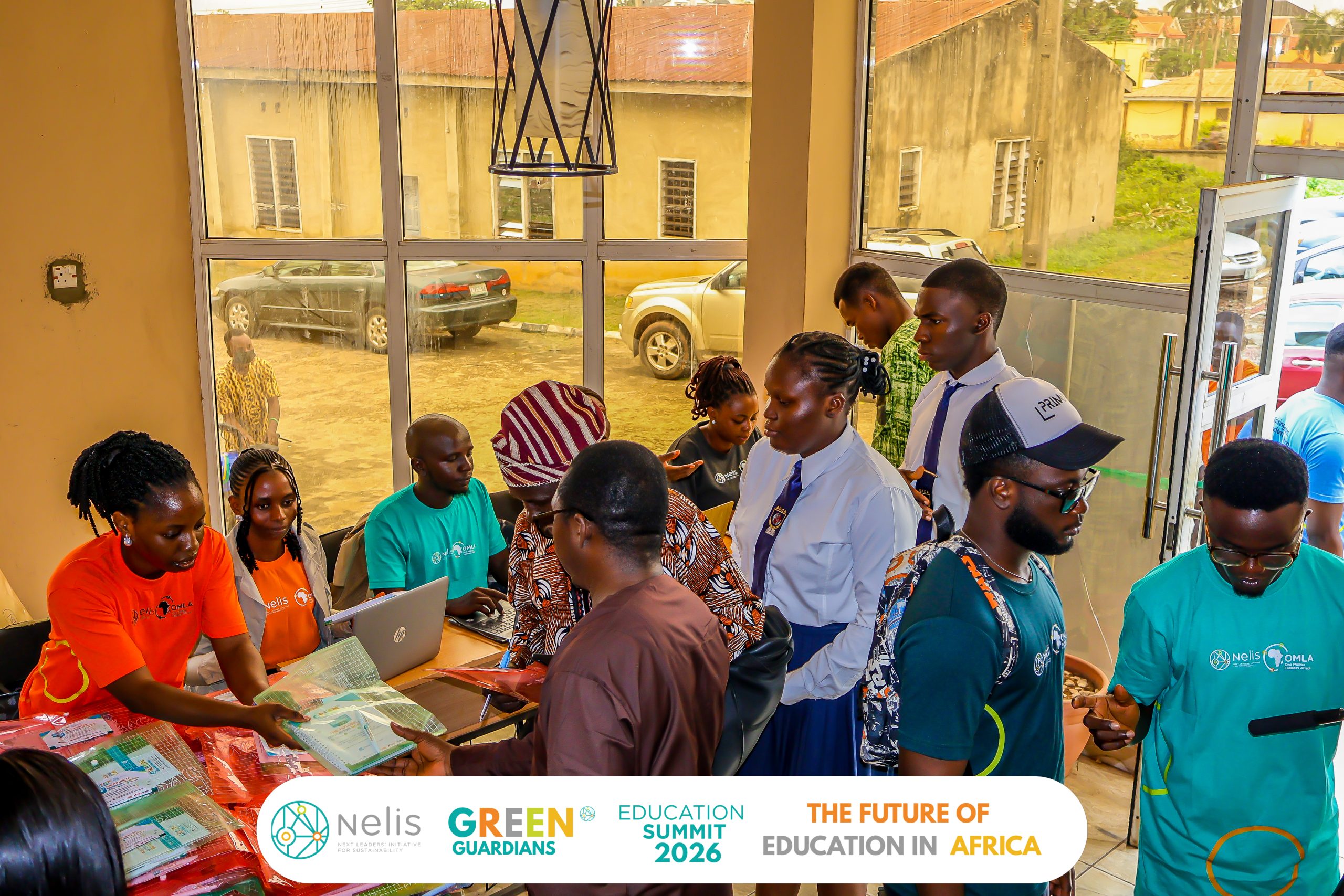
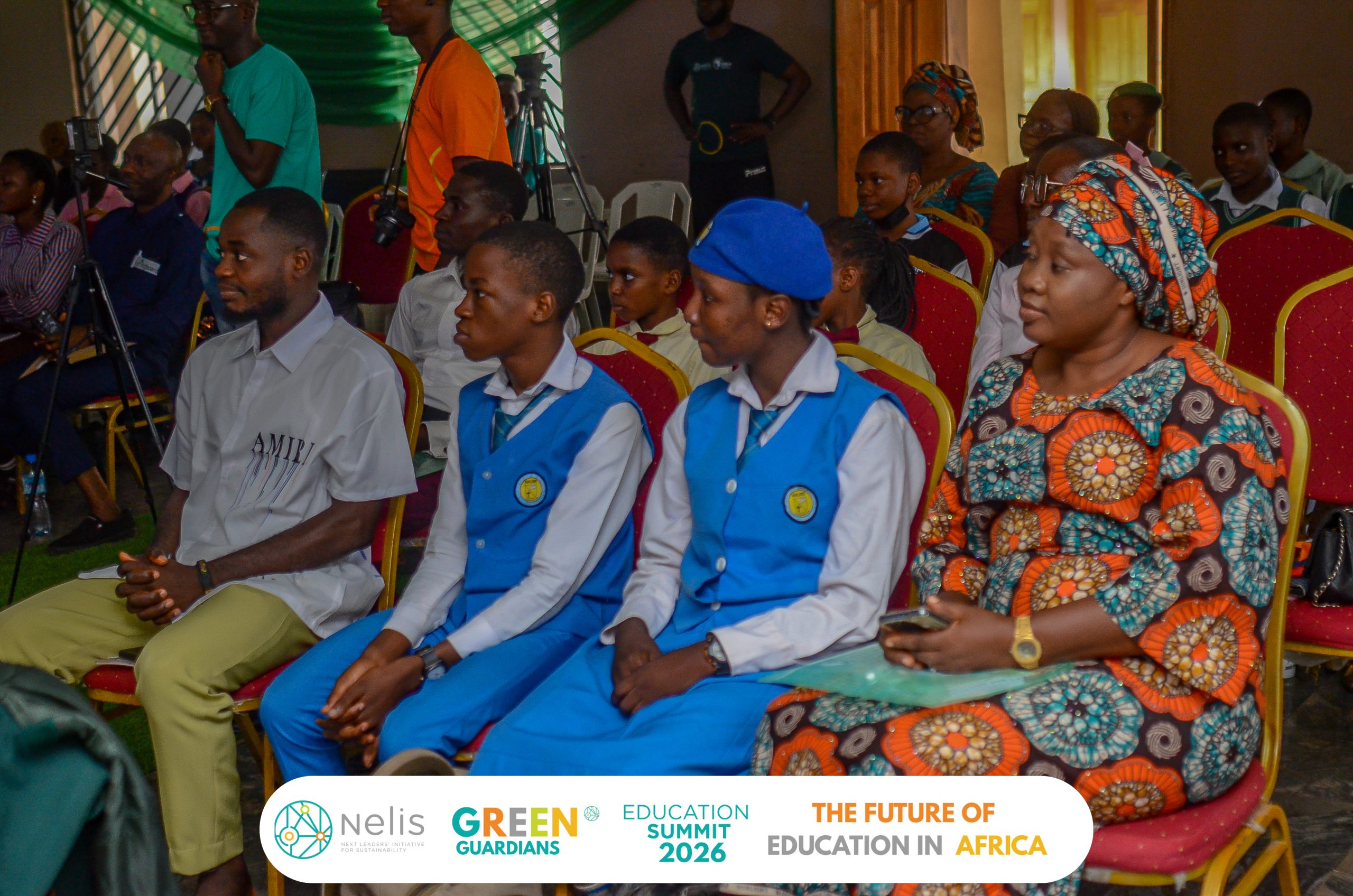
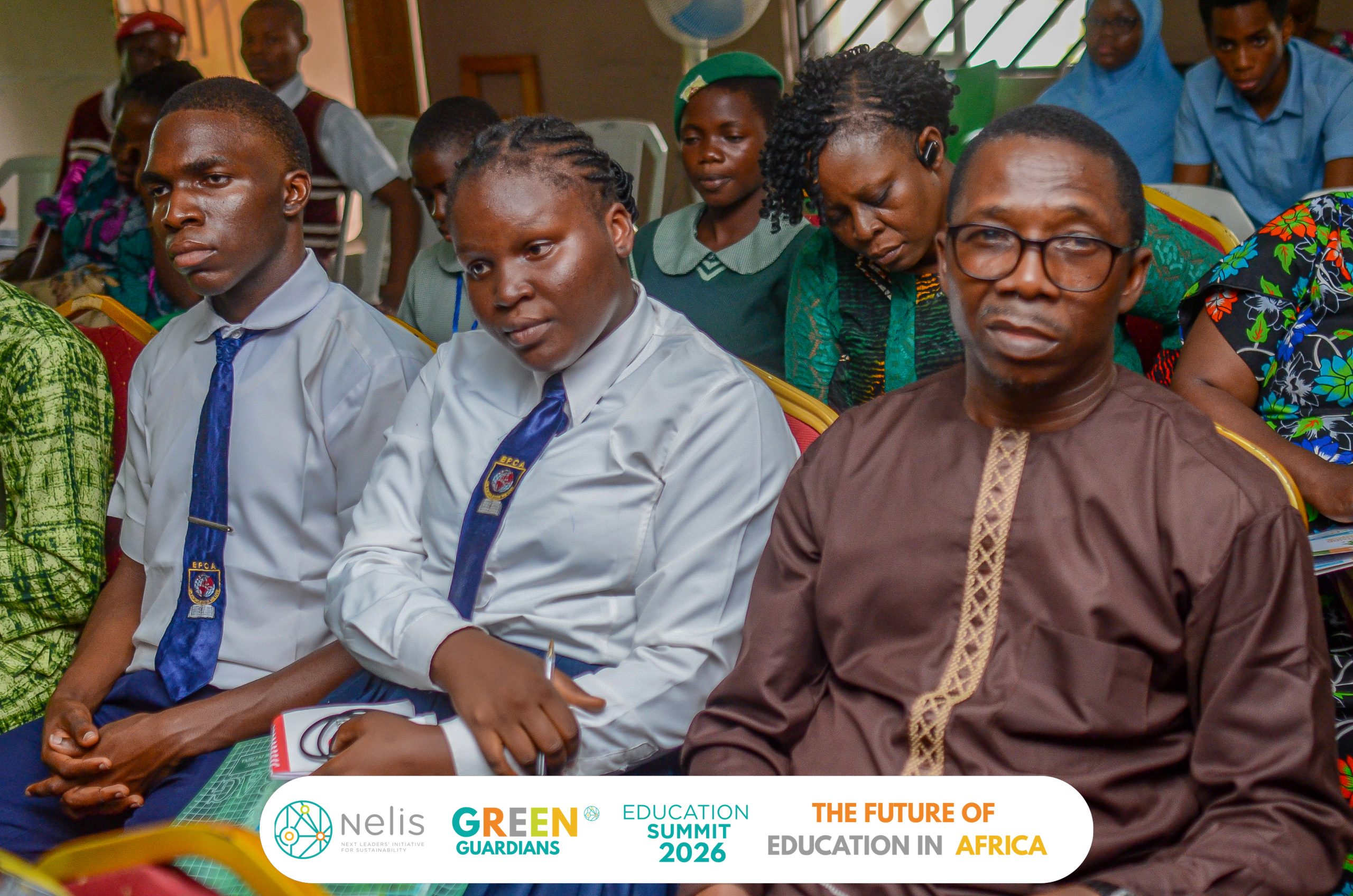
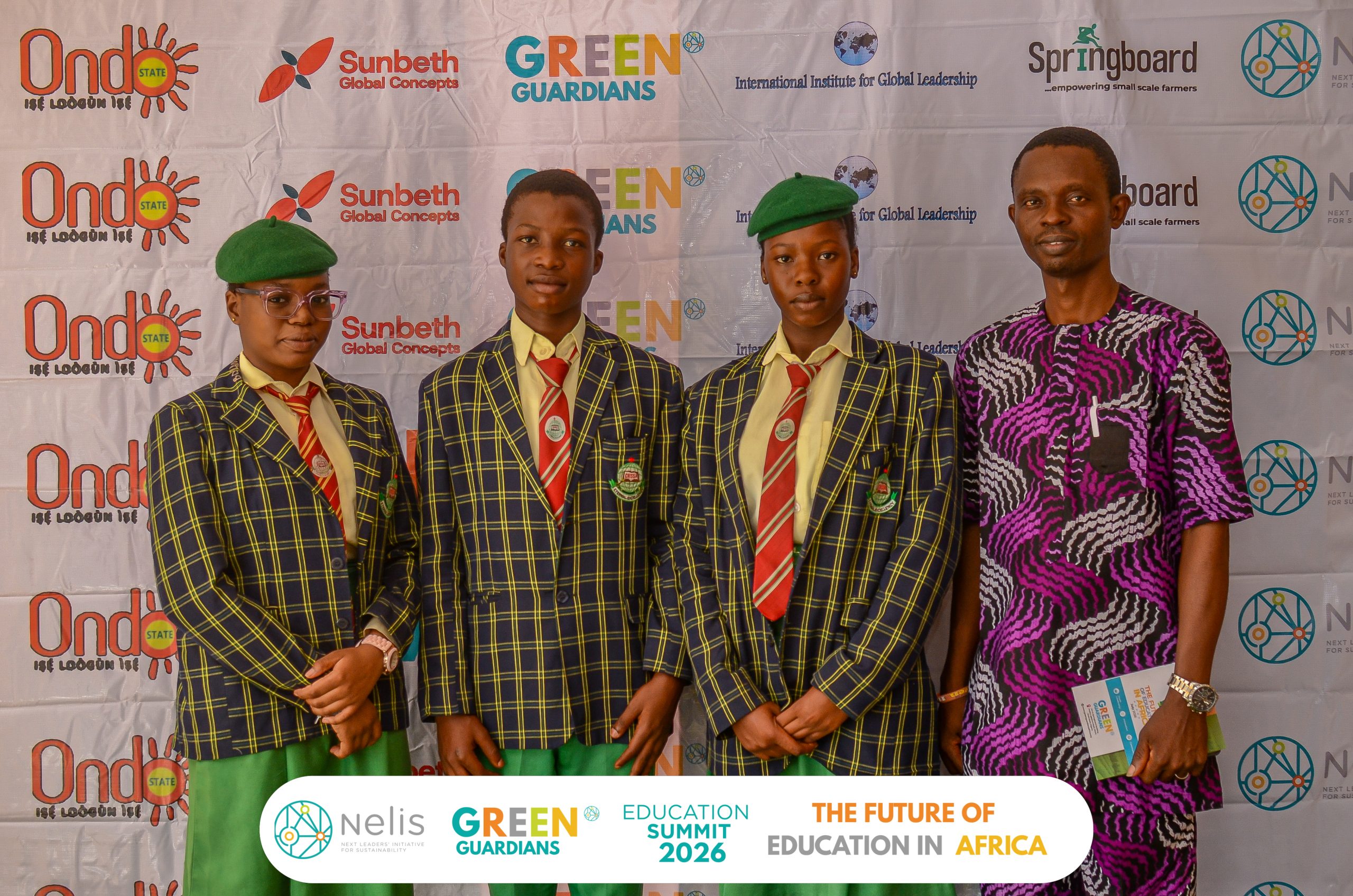
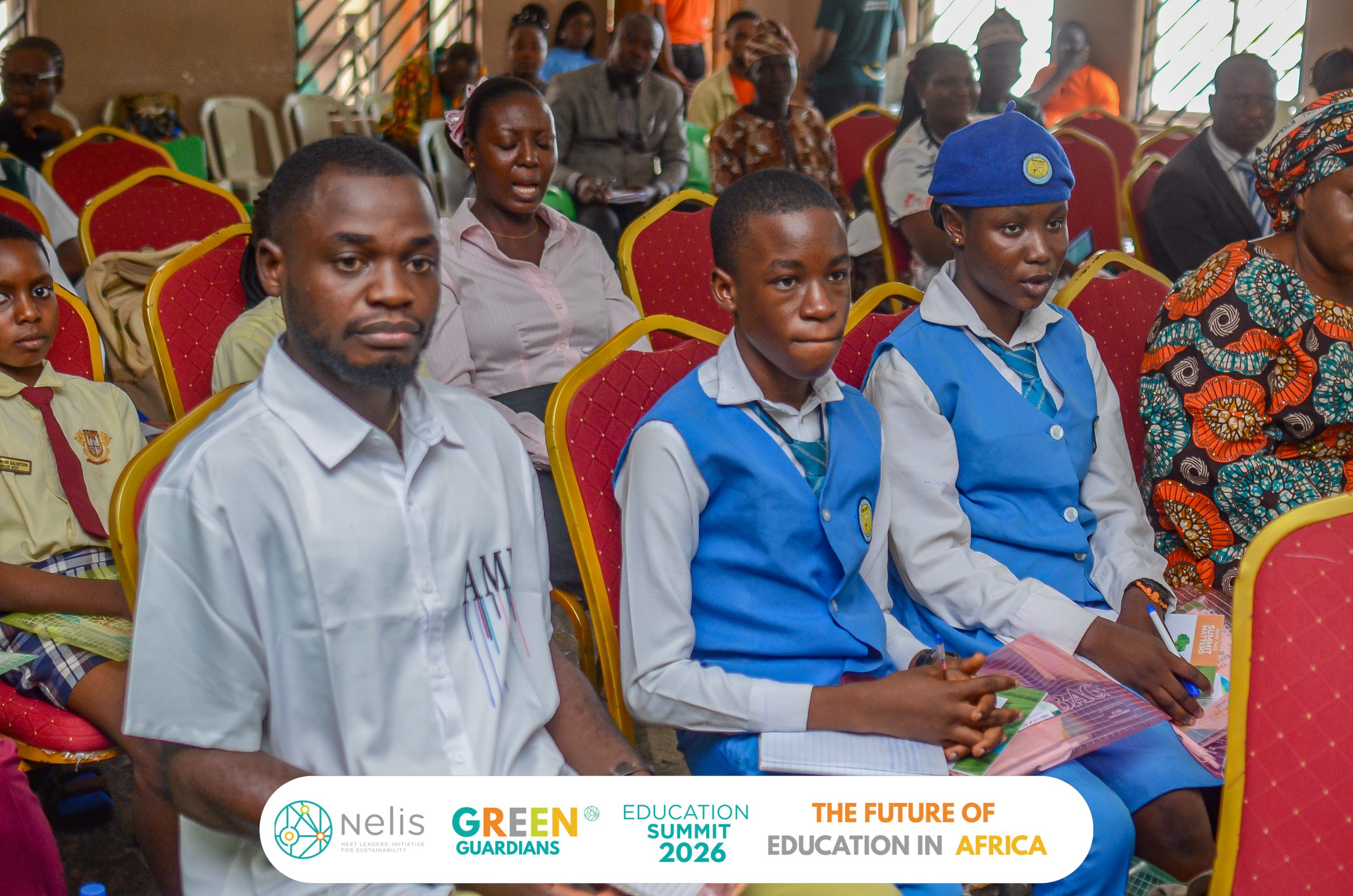
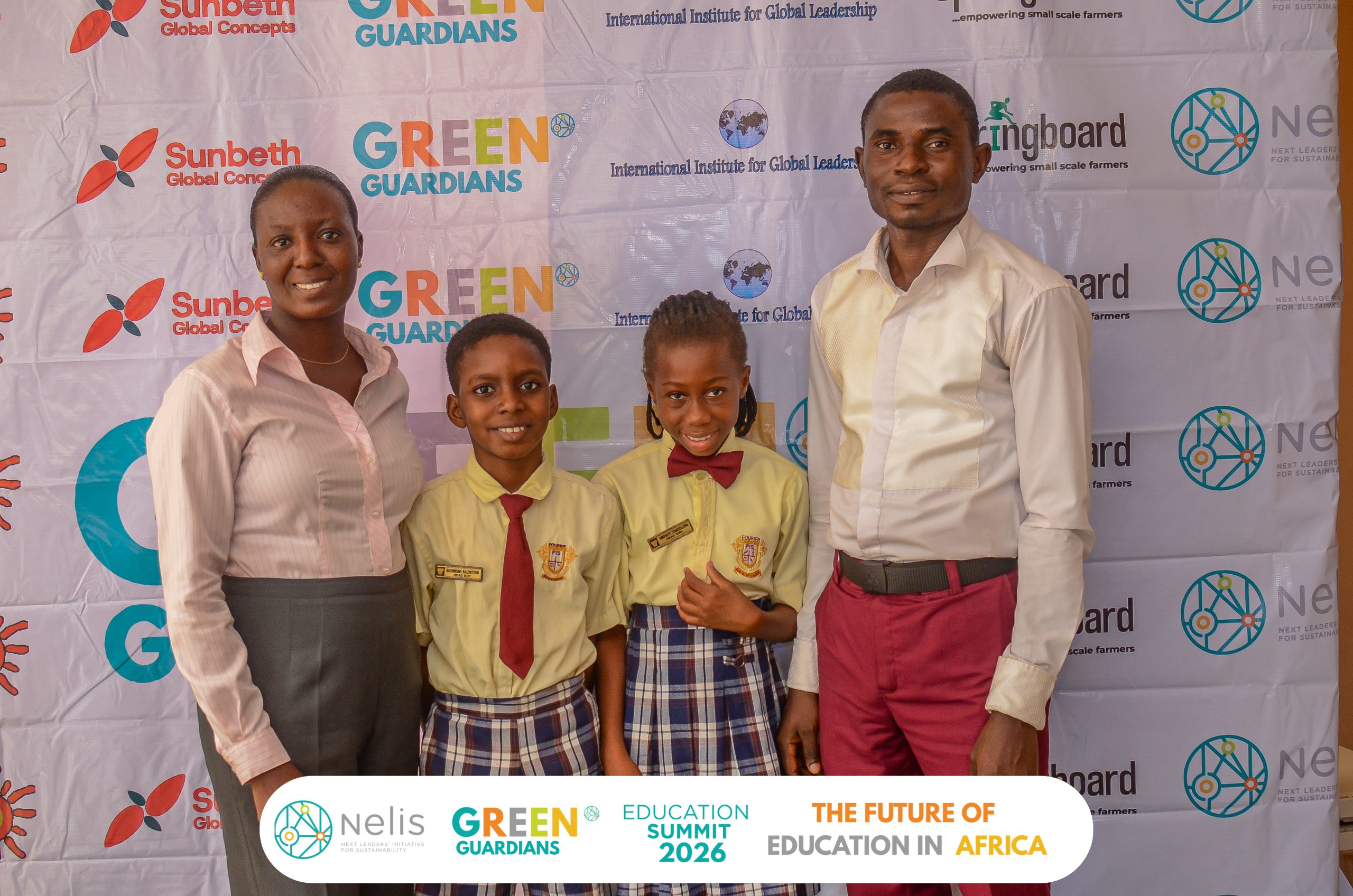
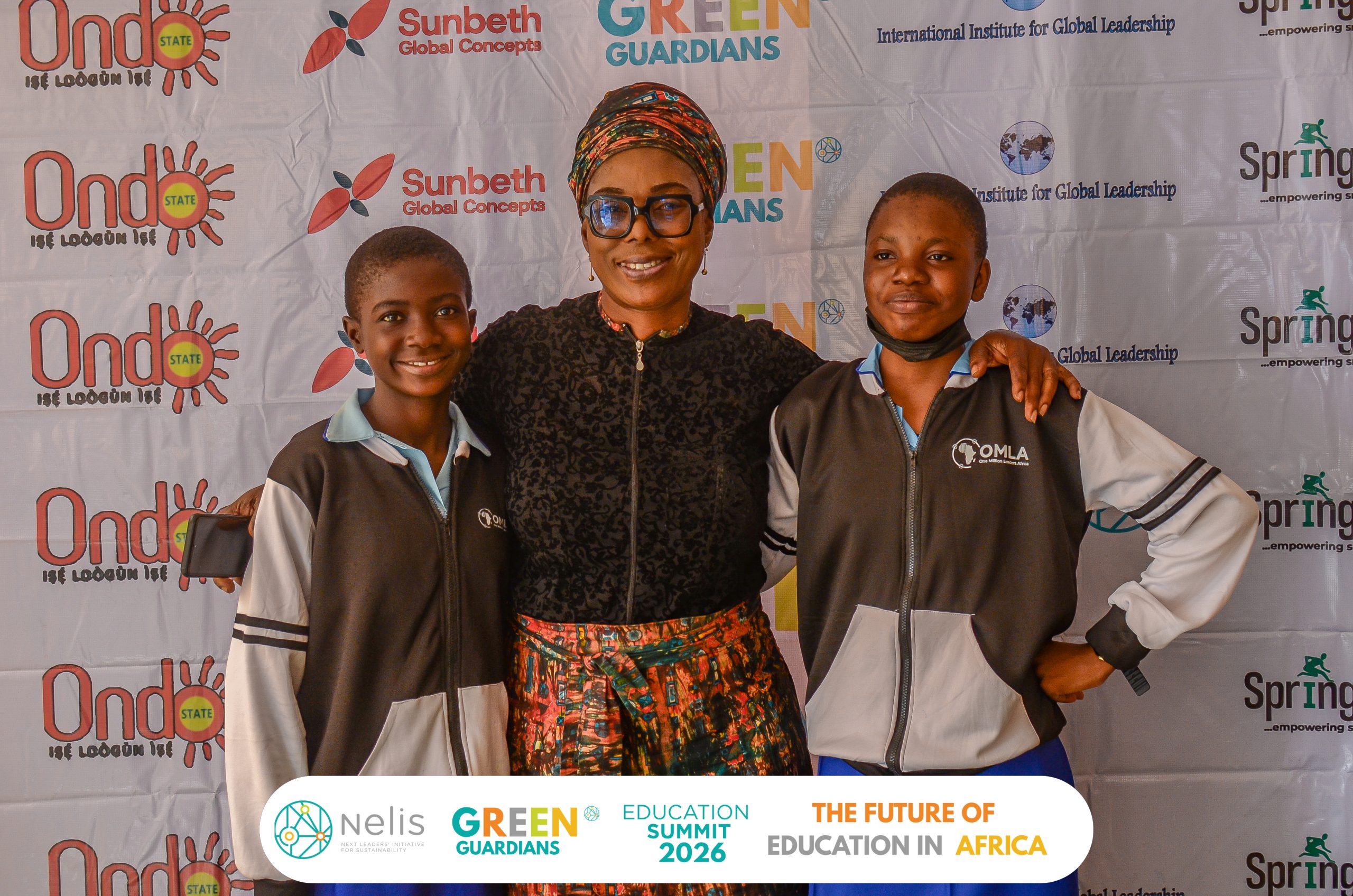
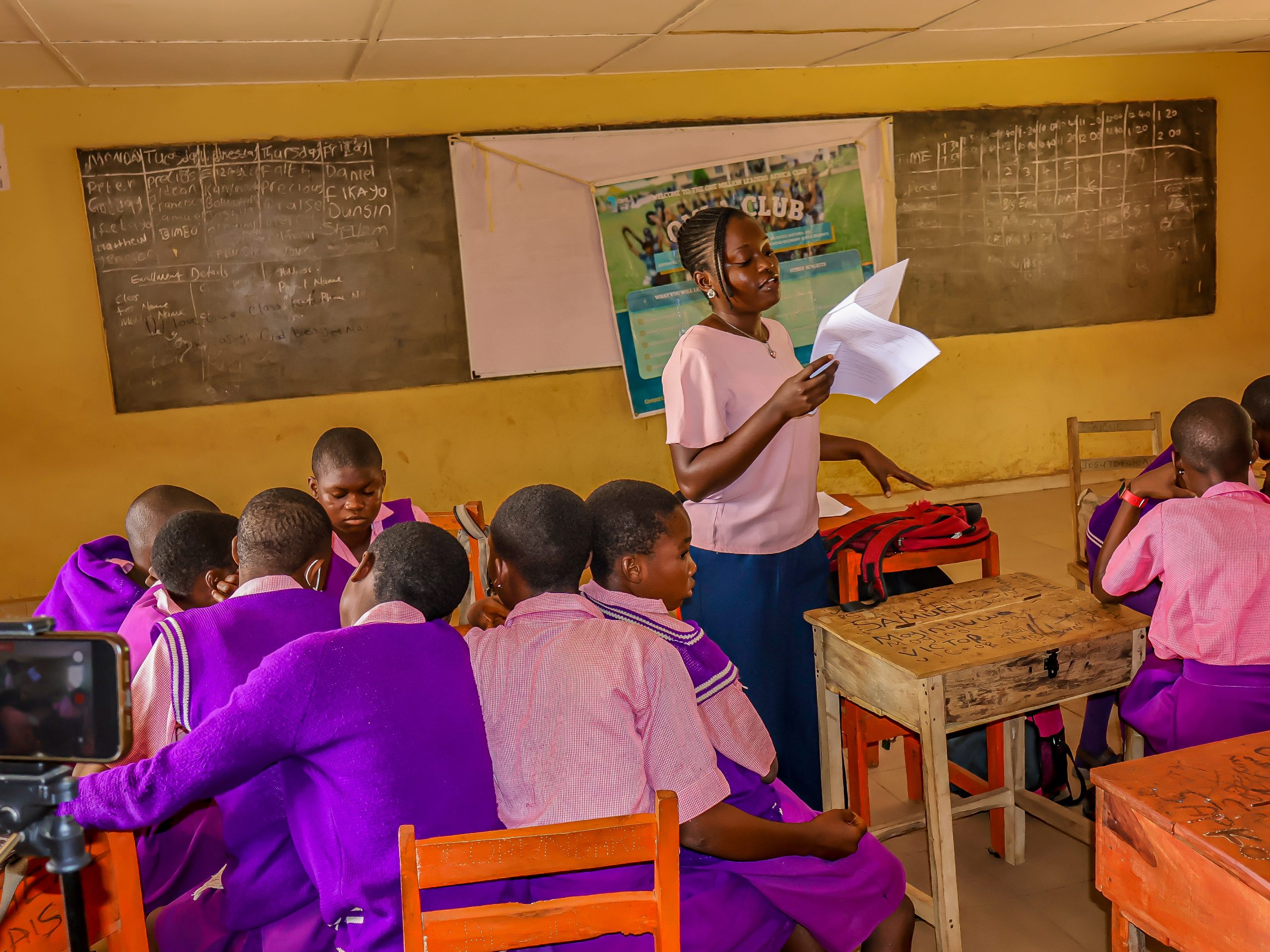
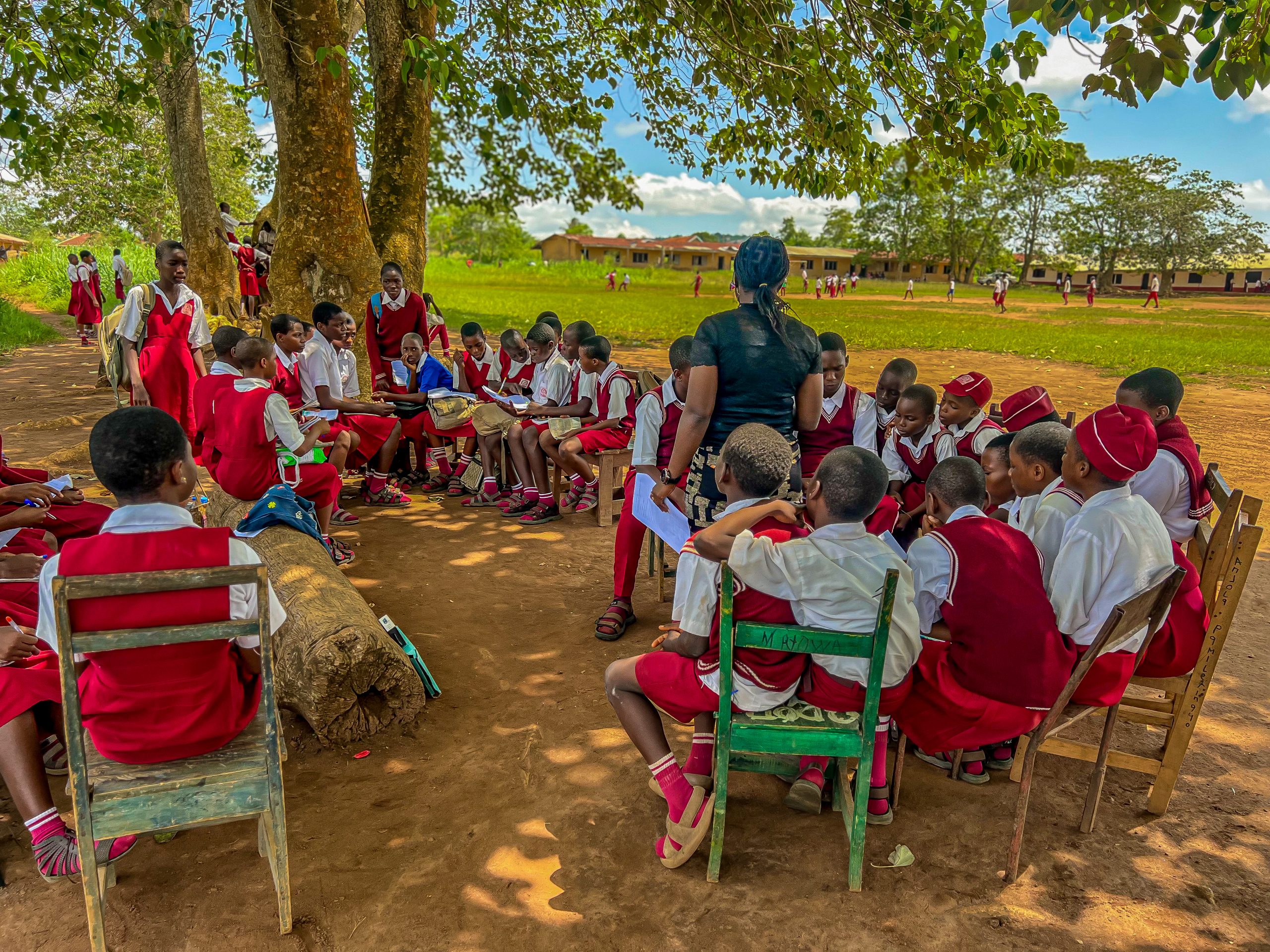
The summit also served as an opportunity to introduce the restructured Green Guardians Youth Leadership Programme to schools and key stakeholders. As the new framework for the existing One Million Leaders Academy (OMLA) Clubs, the programme repositions school clubs into structured leadership learning platforms that equip students with practical skills beyond the classroom. Participants were introduced to how the programme will be implemented in schools through Green Guardians Clubs, where students will develop skills like leadership, environmental stewardship, teamwork, creativity, critical thinking, problem-solving, and a strong sense of responsibility toward their communities through guided learning and community-based action.
The keynote address was delivered by Professor Folashade Dahunsi, who represented the Vice-Chancellor of the Federal University of Technology, Akure, Professor Adenike Temidayo Oladiji. Speaking on the topic “Beyond the Classroom: Building Future-Ready Education Systems in Africa through Leadership, Innovation and Sustainable Development,” Professor Dahunsi emphasized the need for education systems to move beyond individual success and embrace a “we over I” mentality. She encouraged participants to see constraints as opportunities to drive local solutions and prepare young people to respond creatively to the challenges around them.
The summit also featured remarks from Peter David Pedersen, Co-founder of the Next Leaders Initiative for Sustainability, who reinforced the importance of raising a generation of young people who are conscious, responsible, and prepared to lead positive change.
In his address, Mr Lawrence Afere, NELIS Africa Director, spoke on the early leadership learning crisis, stressing that leadership education must begin from childhood. He noted that the kind of leaders children become in the future is strongly influenced by what they are taught today. His remarks highlighted the importance of introducing leadership, values, innovation, and community impact education early in the school system.
Representing the Honourable Commissioner for Education, Professor Igbekele Ajigbefun, the Director of Education, Dr Kofoworola Oluwatoyin Oki, emphasized the need for all relevant stakeholders to work together in preparing students for the future. Her remarks underscored the importance of collaboration between government, schools, parents, education leaders, and development organizations in strengthening education outcomes for young people.
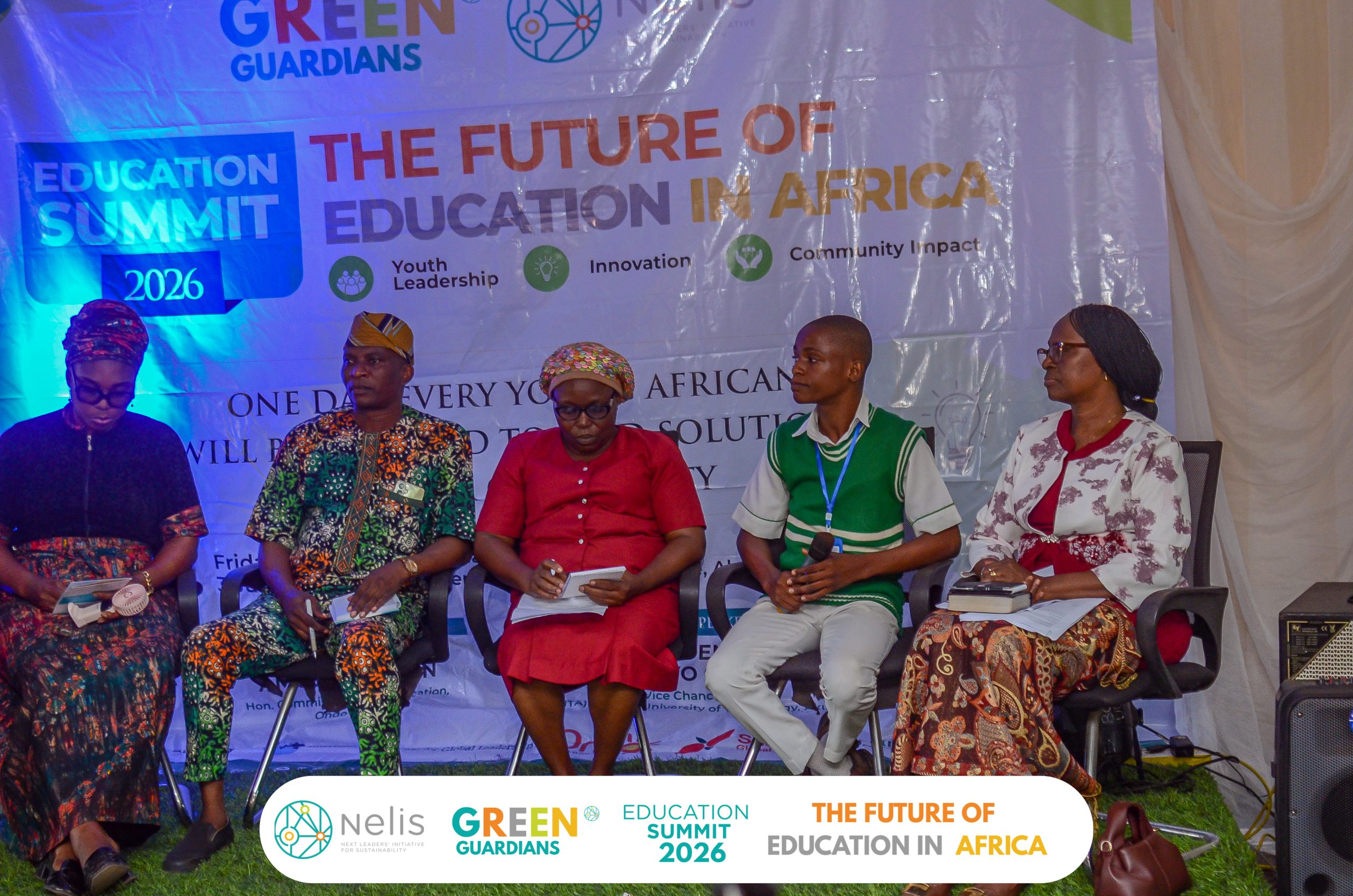
One of the major highlights of the summit was the panel session, which brought together different voices from the education ecosystem. The panel featured Mrs Jubril Abimbola, representing teachers; Mrs Ibitokun, representing parents; Temitope Enoch, representing students; Mrs T. Elijah, representing school owners and administrators; and Mr Francis Falana, representing the Ministry of Education.
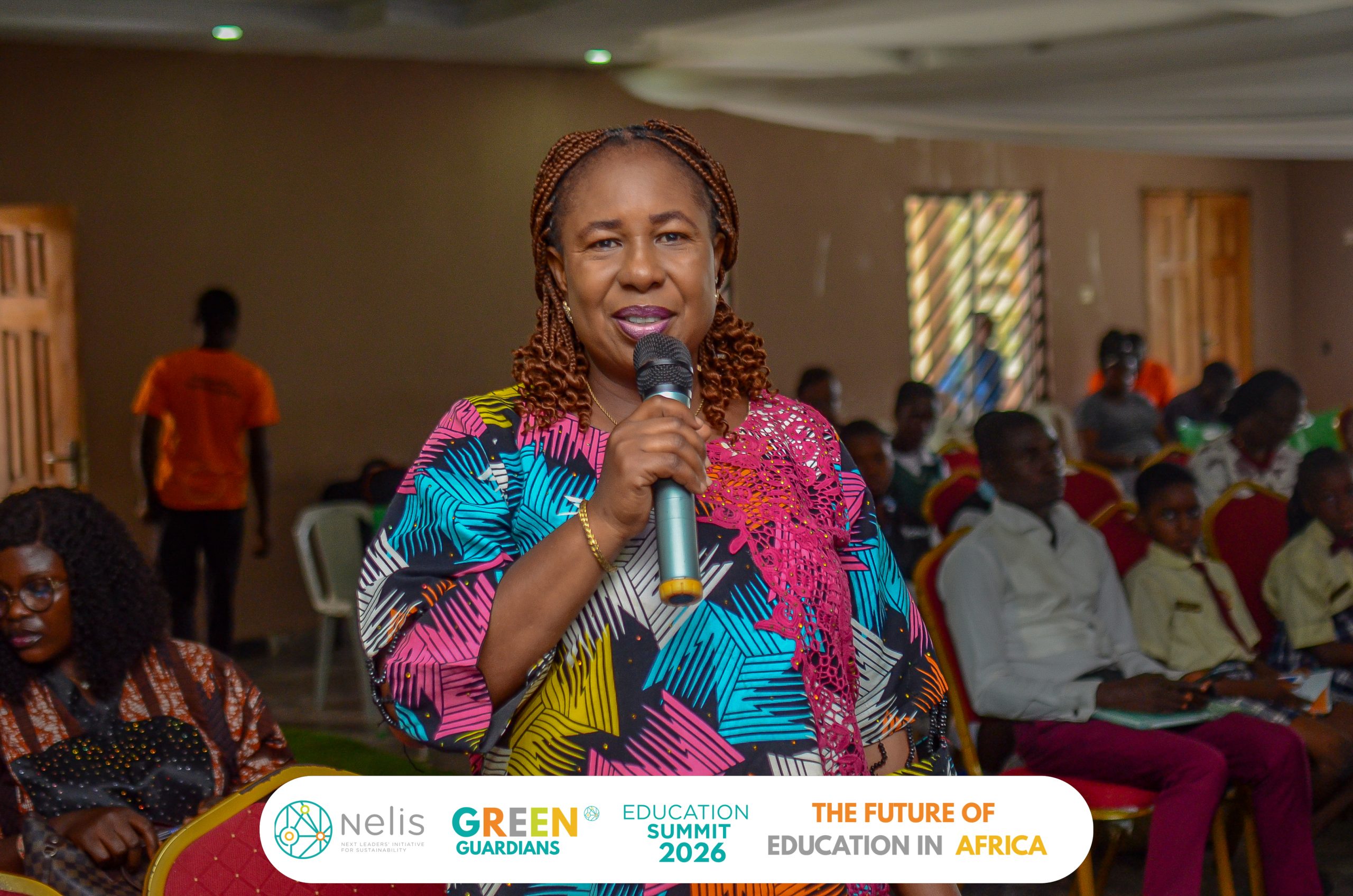
The panelists shared rich and practical perspectives on how education can better prepare young people for the realities of the future. A major point raised during the conversation was the need to review and adjust the current school curriculum to accommodate other important areas of learning beyond classroom instruction. These include leadership development, innovation, life skills, sustainability education, problem-solving, and community engagement.
Participants agreed that education reform in Africa must go beyond academic performance alone. Schools must intentionally create opportunities for students to think, lead, collaborate, ask questions, solve real problems, and participate in community development from an early age.
A significant outcome of the summit was the strong interest shown by schools in establishing Green Guardians Clubs. 23 schools indicated interest in adopting the Green Guardians Youth Leadership Programme in their schools. This marks an important step toward expanding early leadership learning and sustainability education across schools.
Photo Speaks
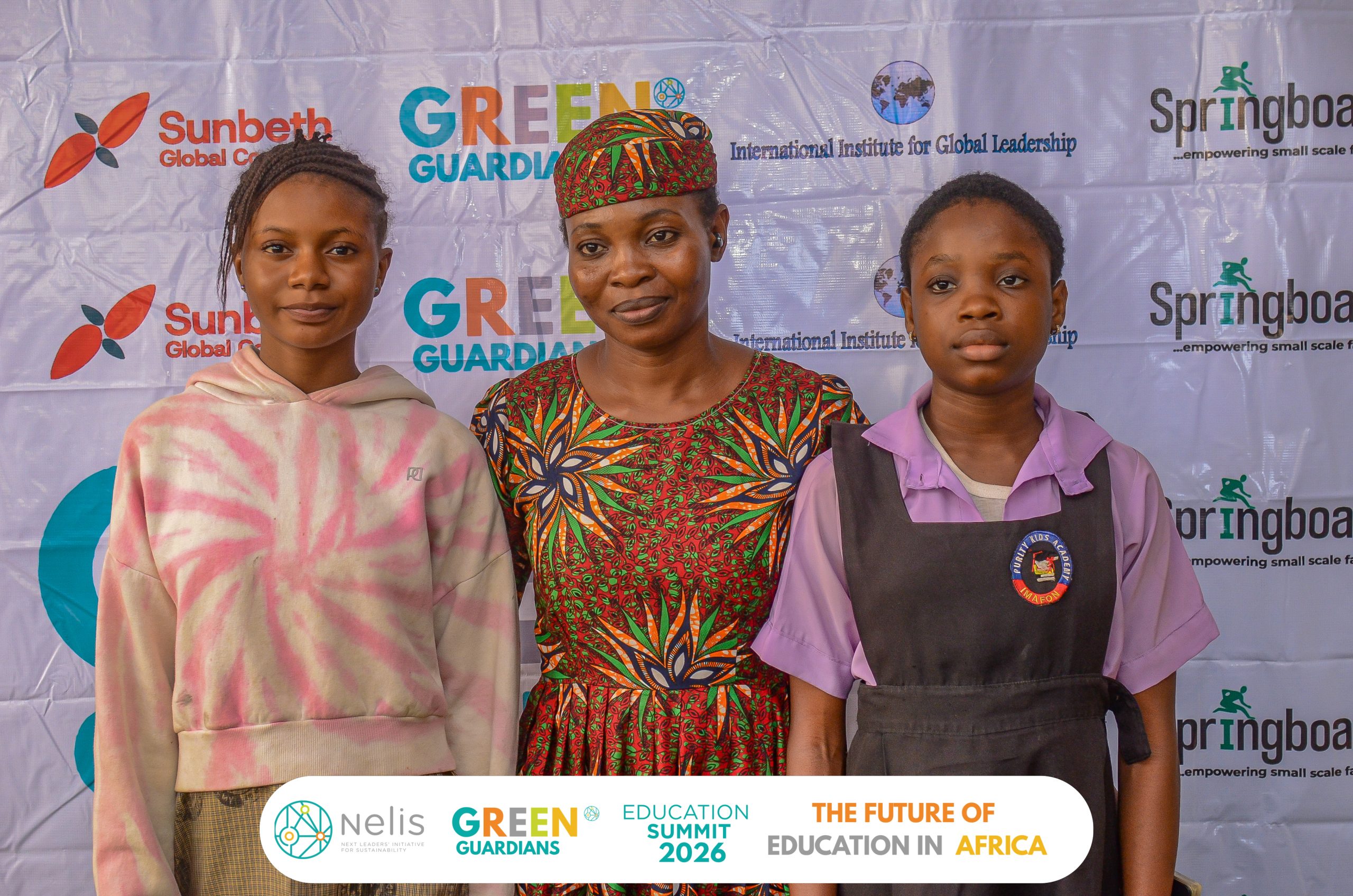
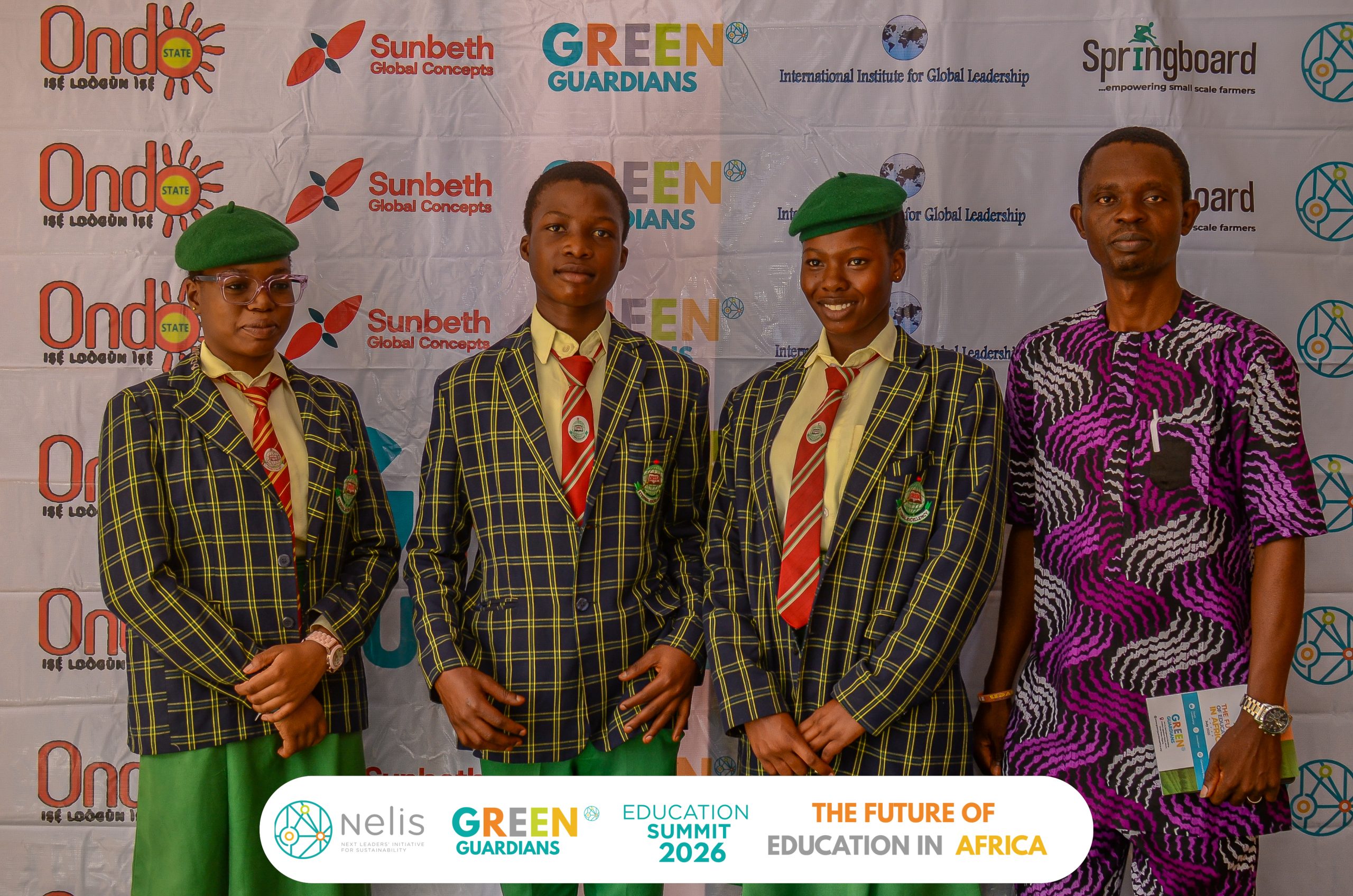
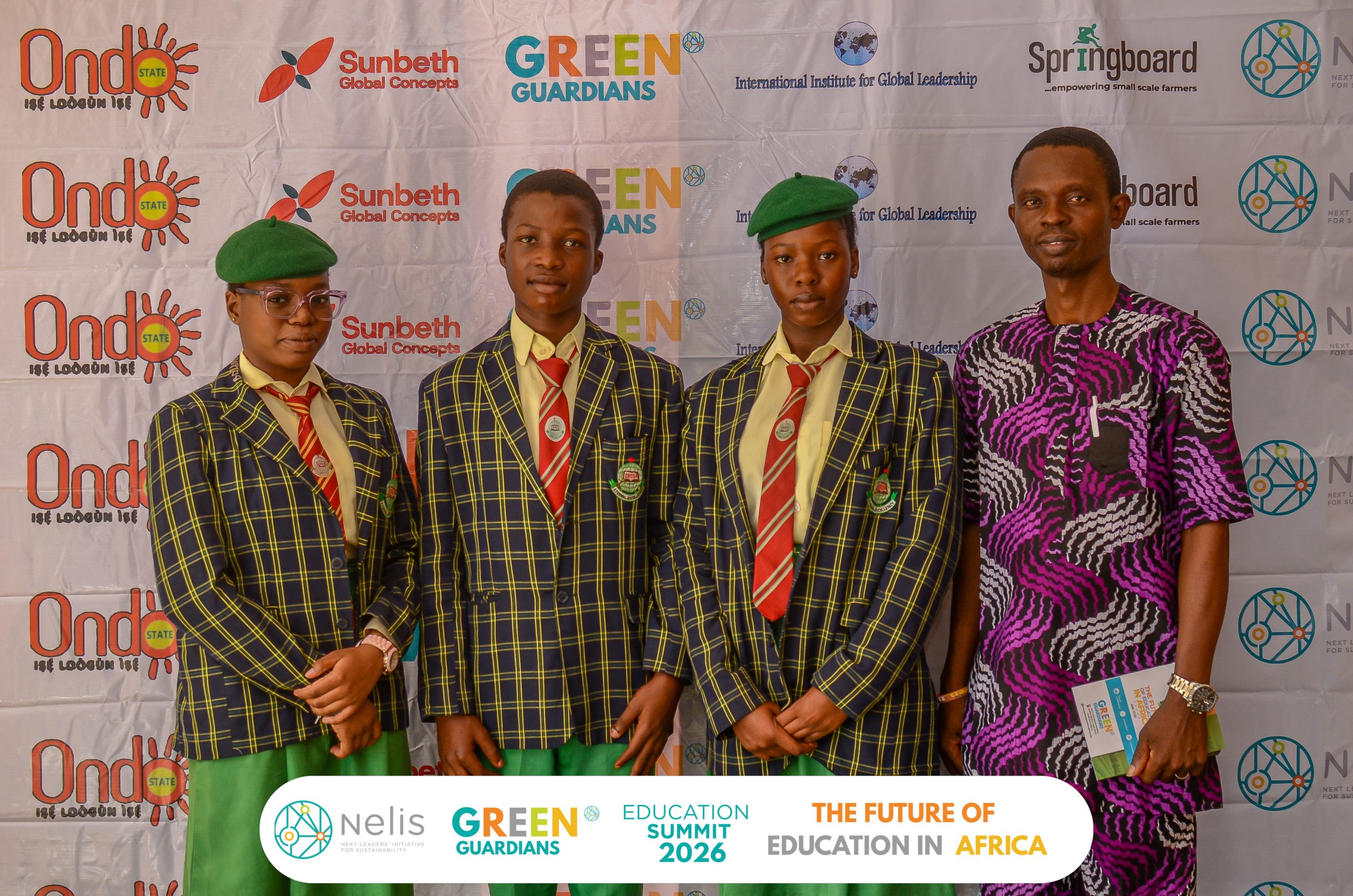

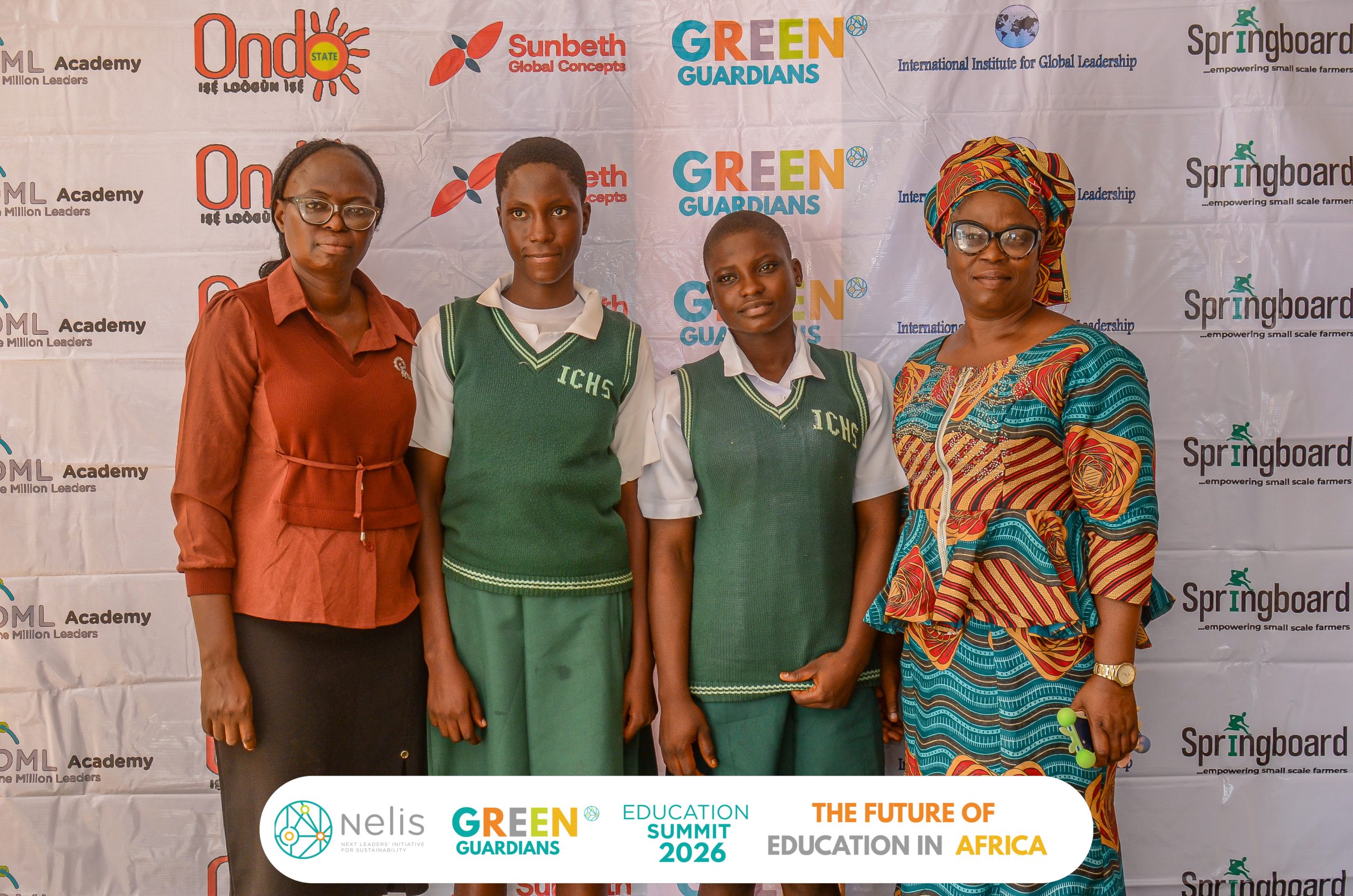
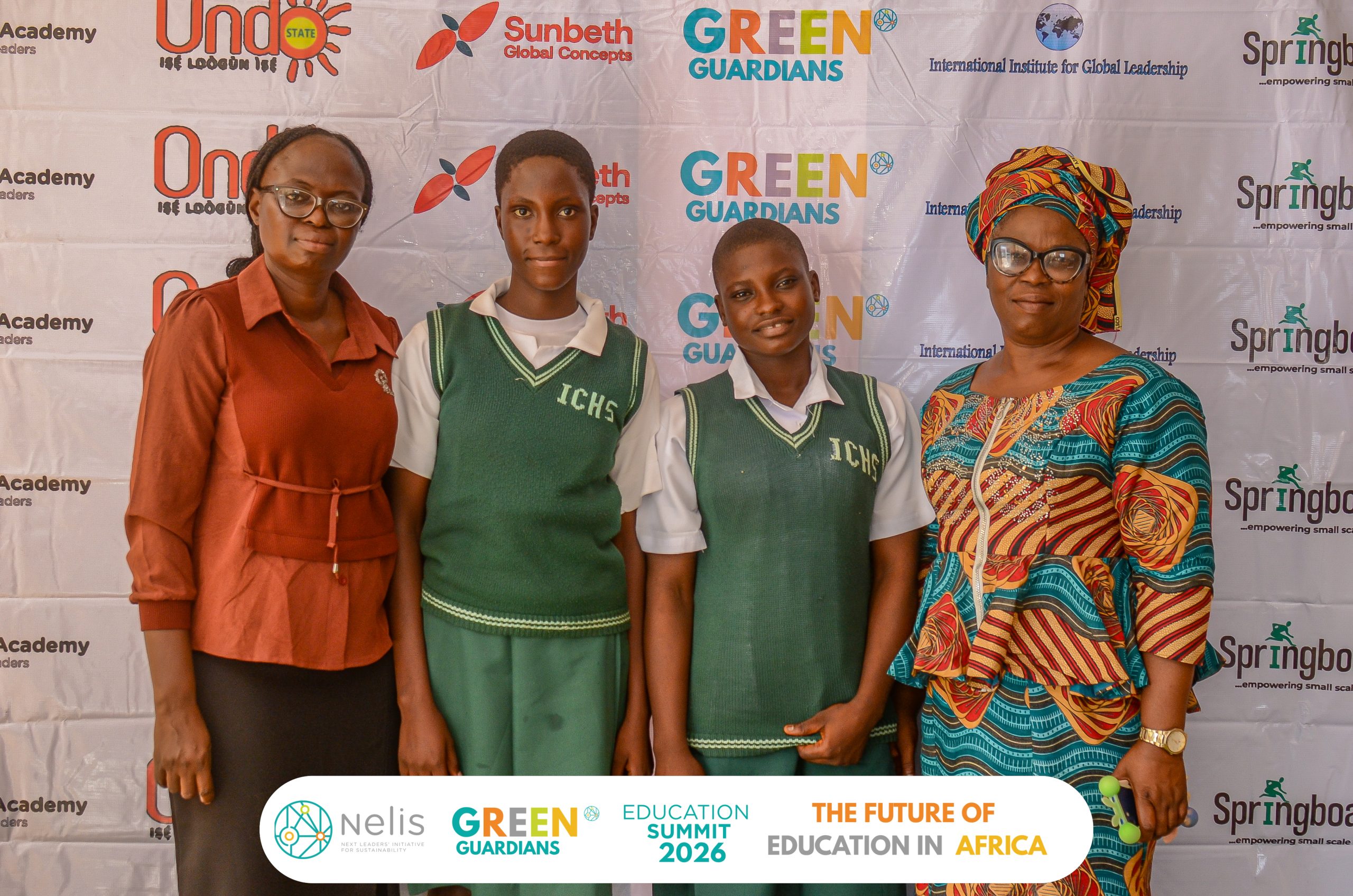
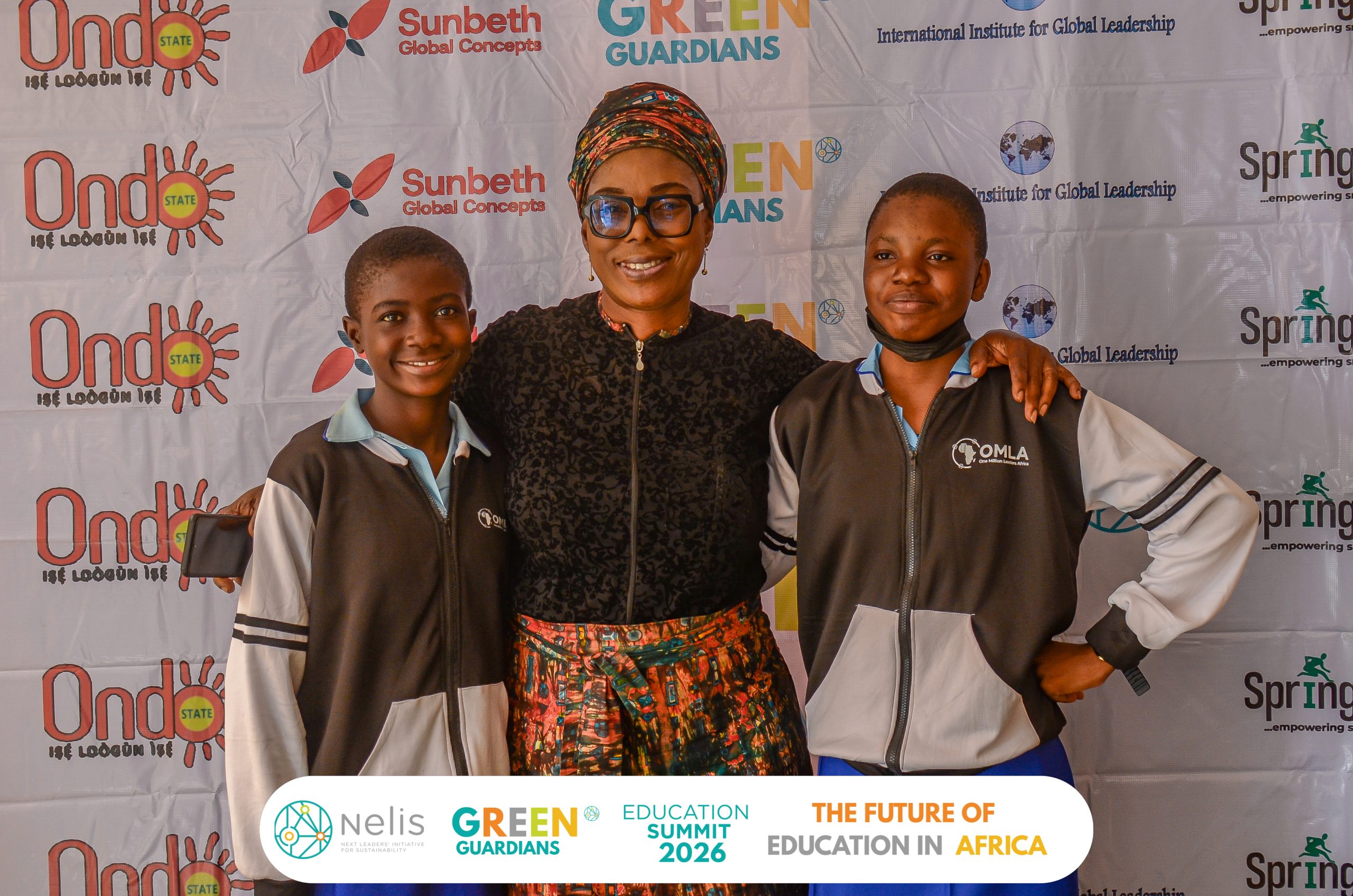
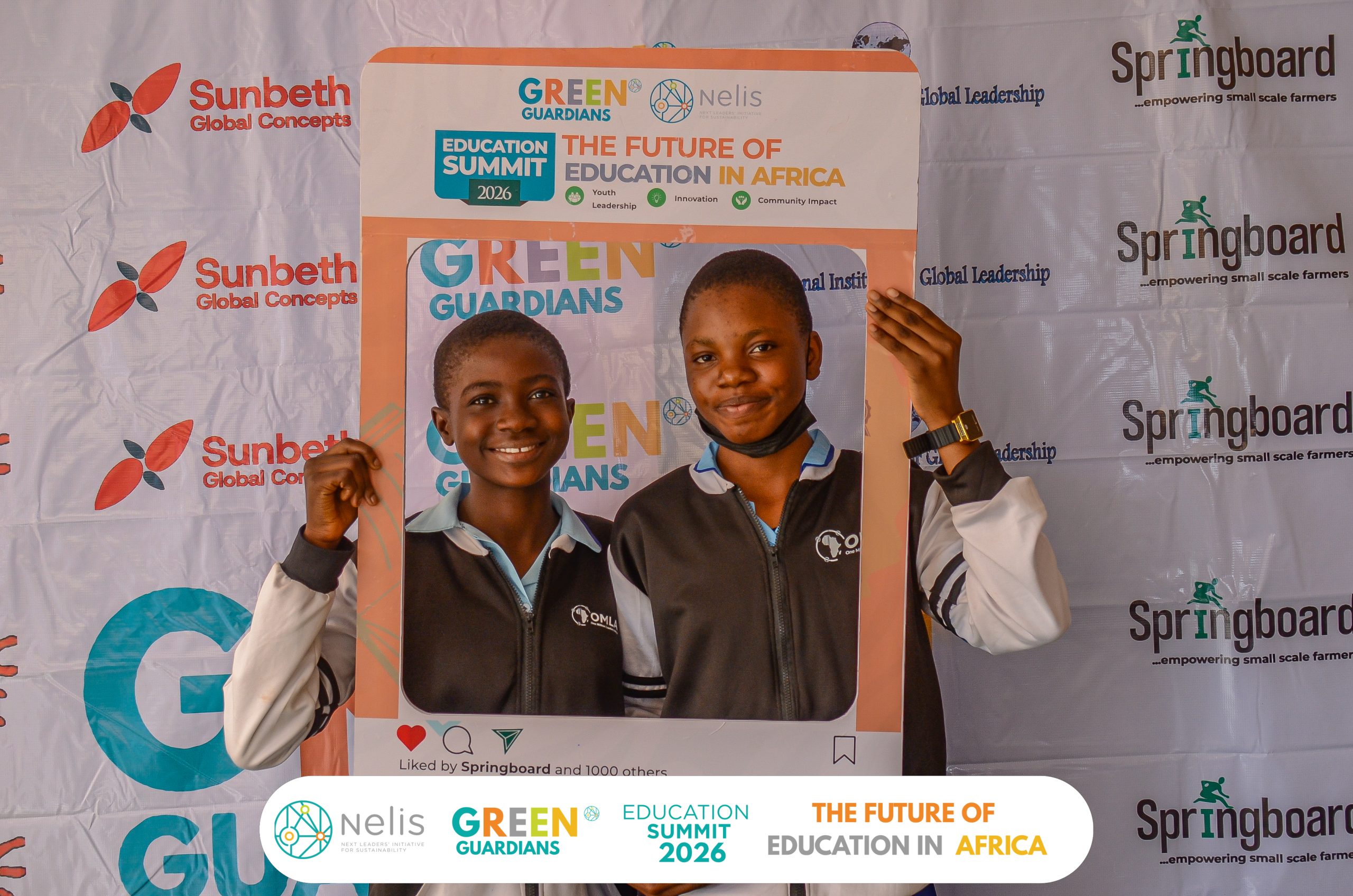
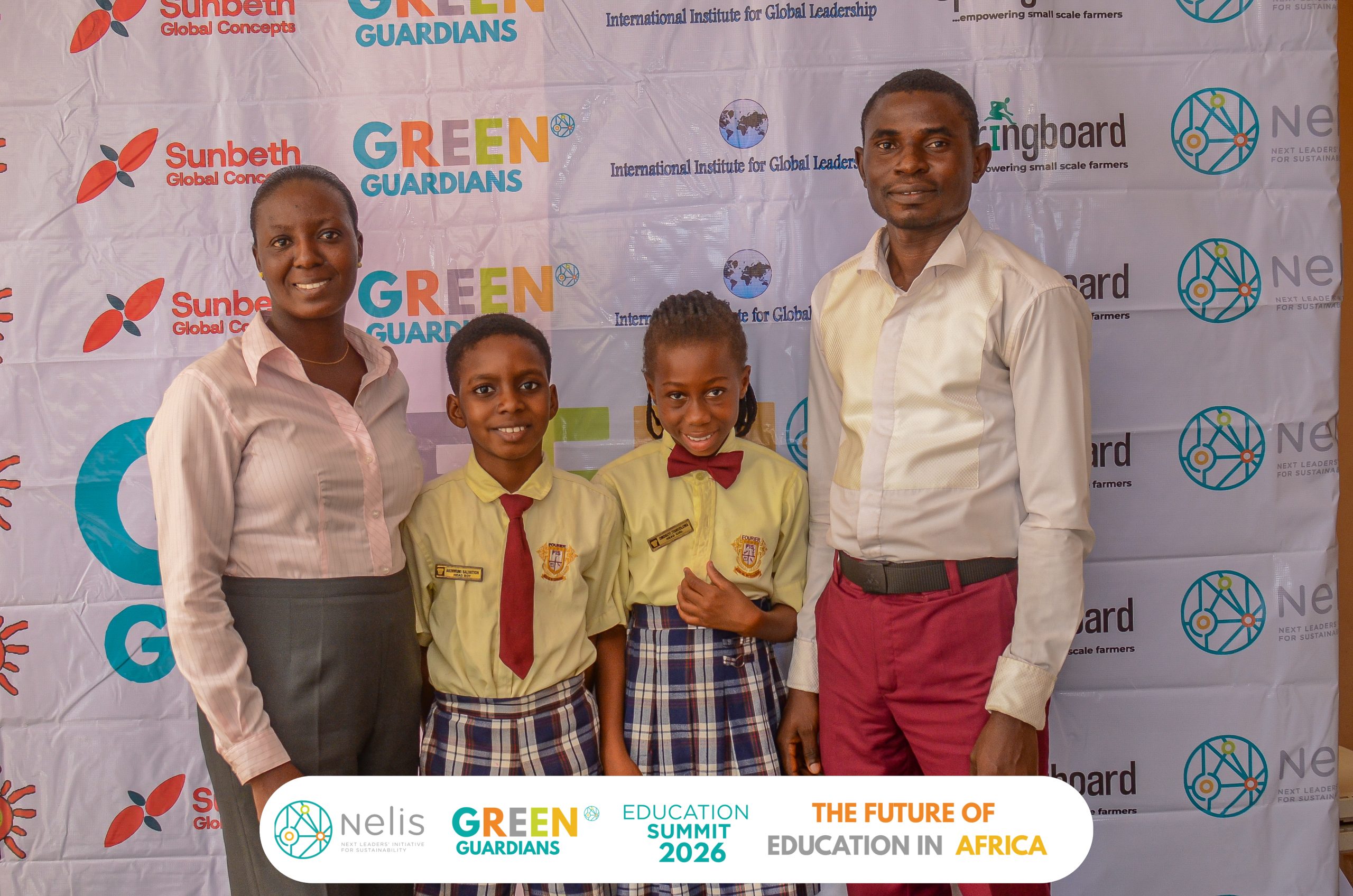
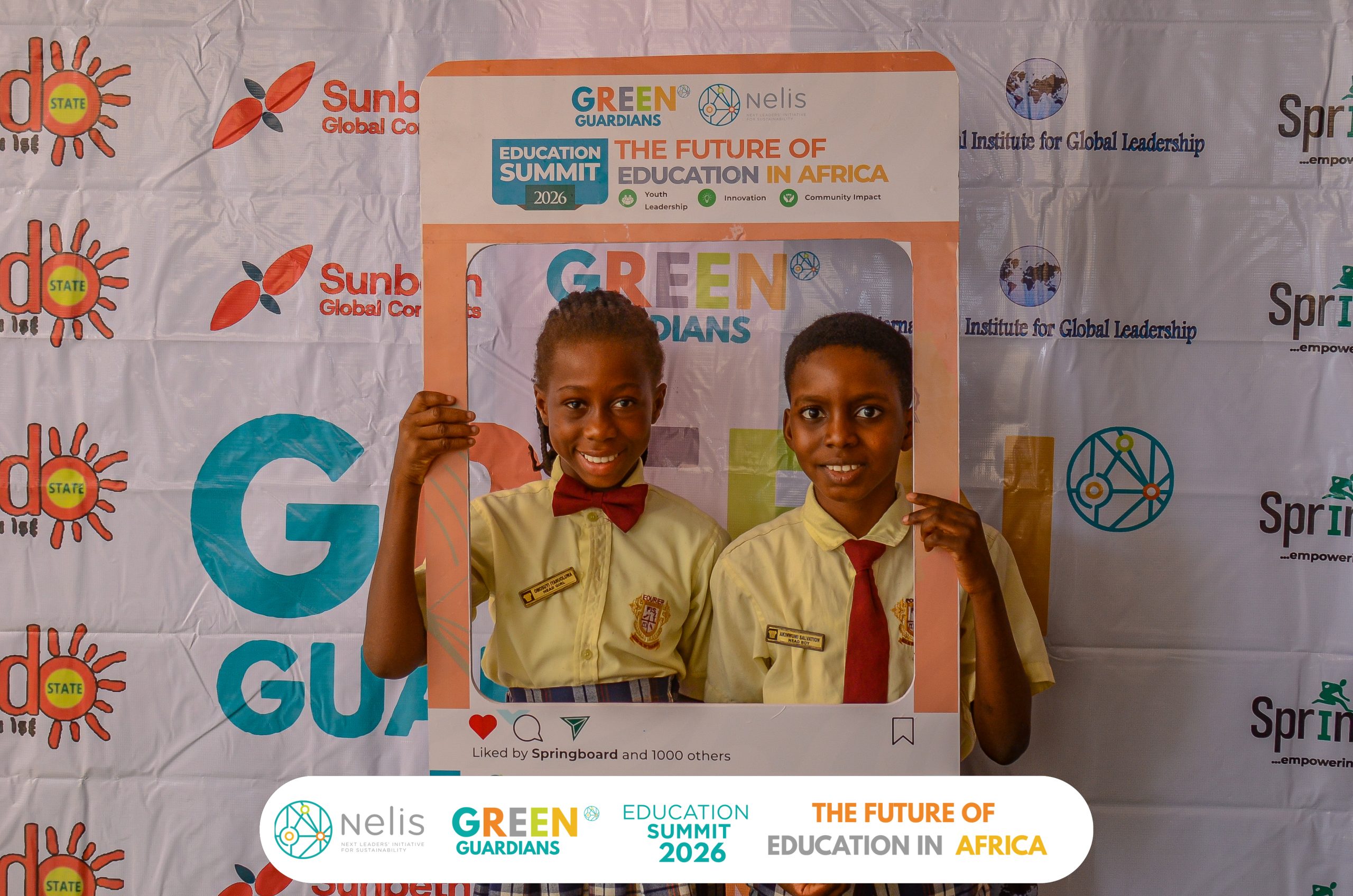
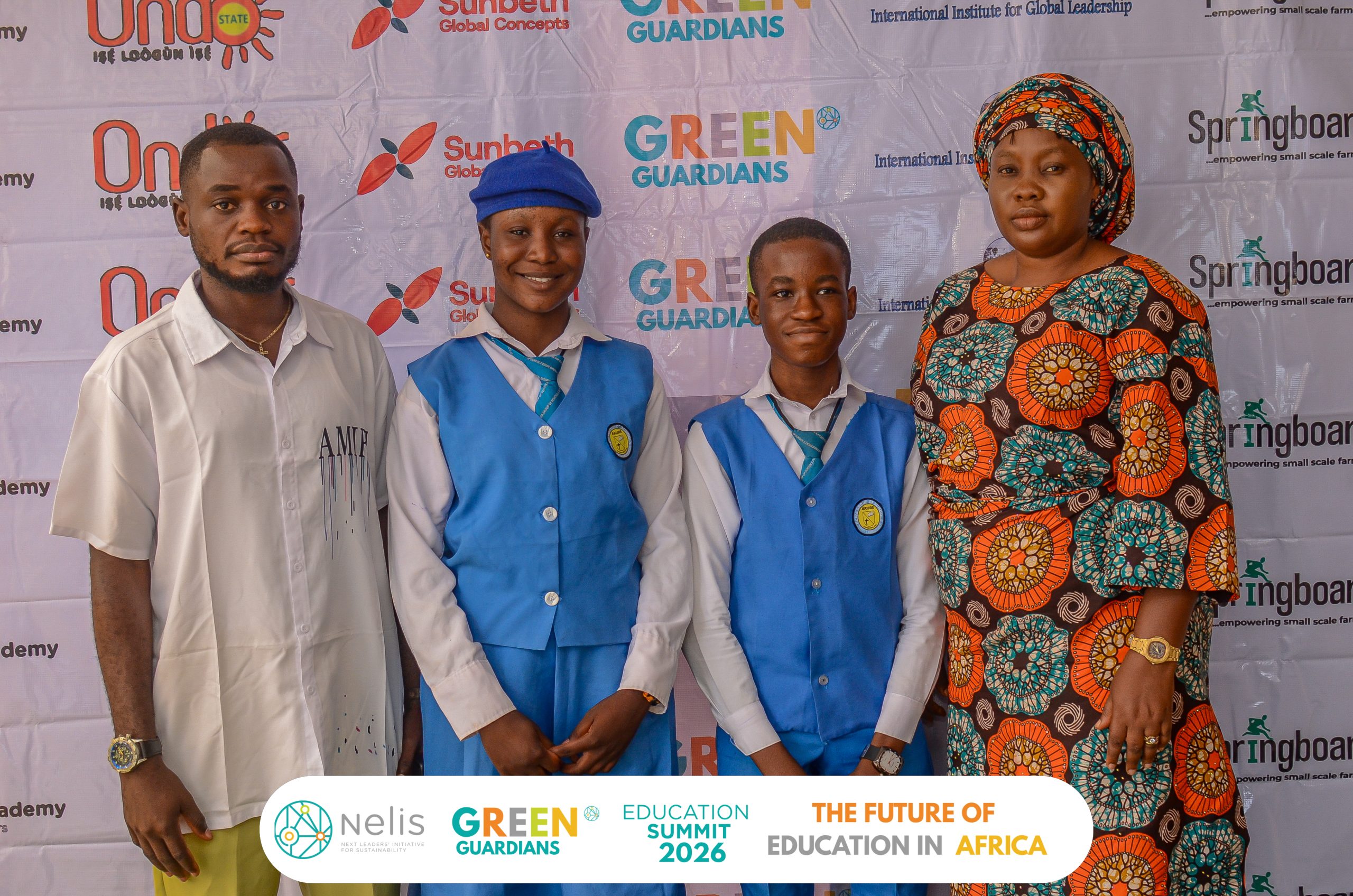
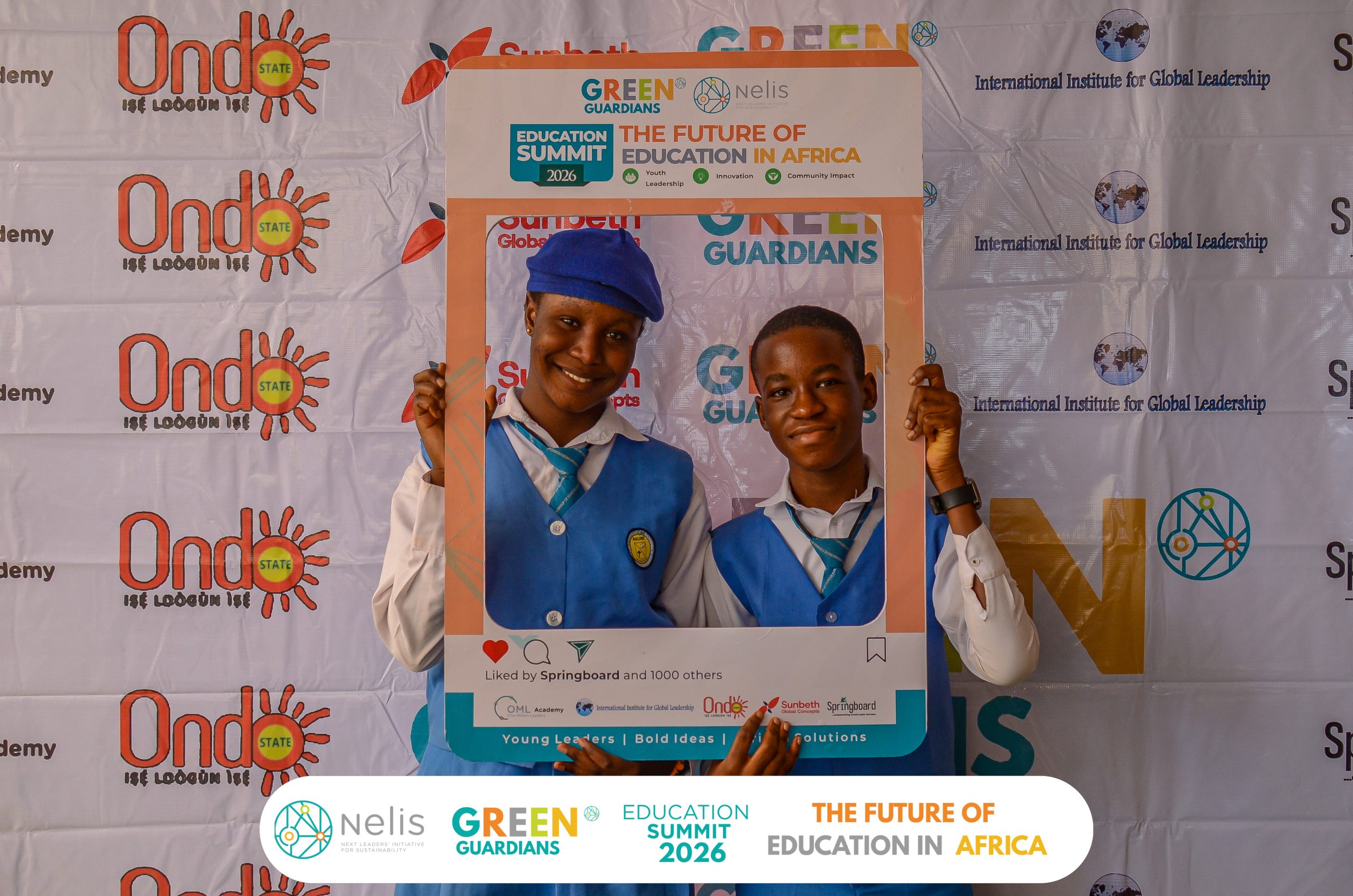
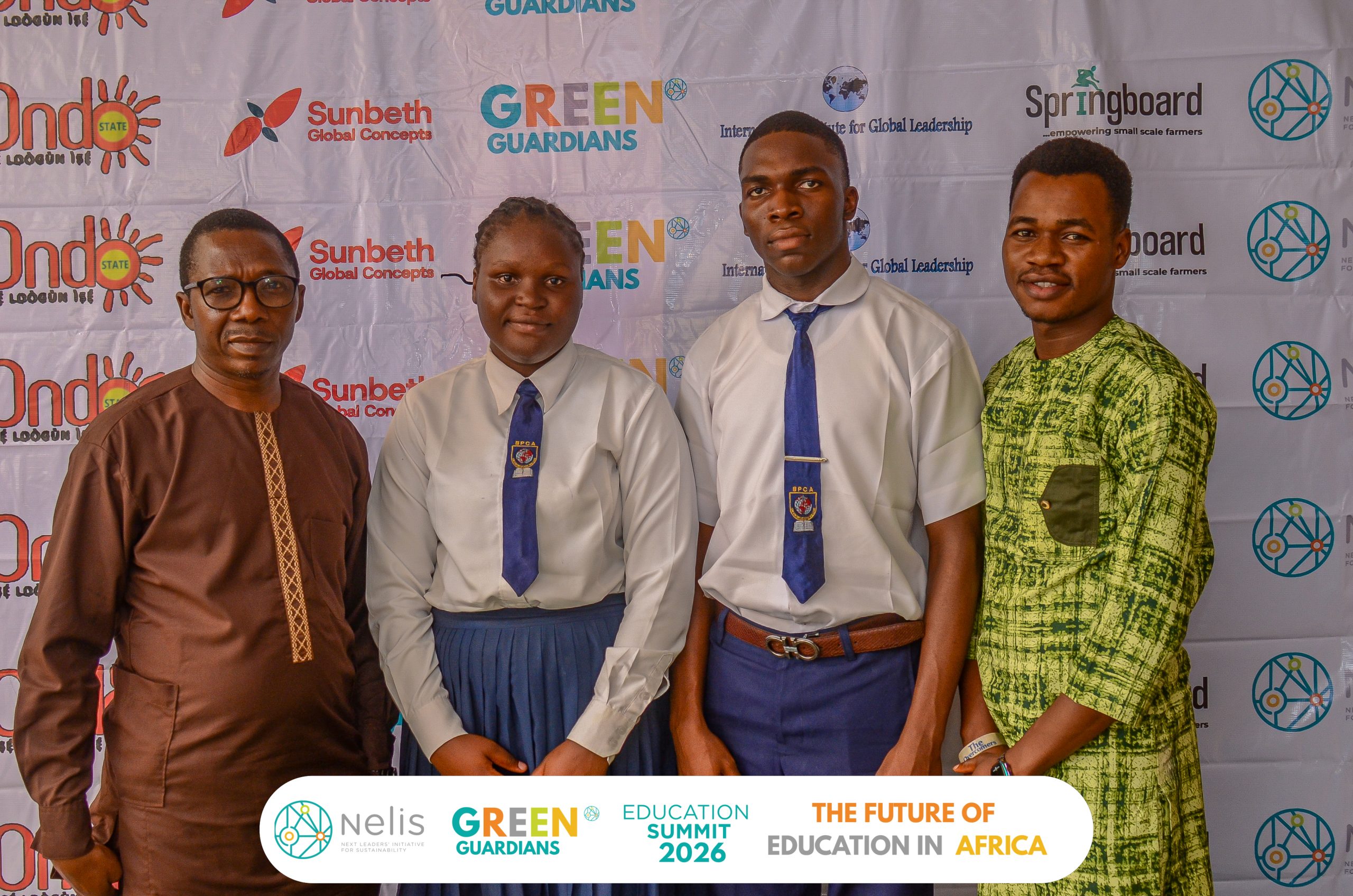
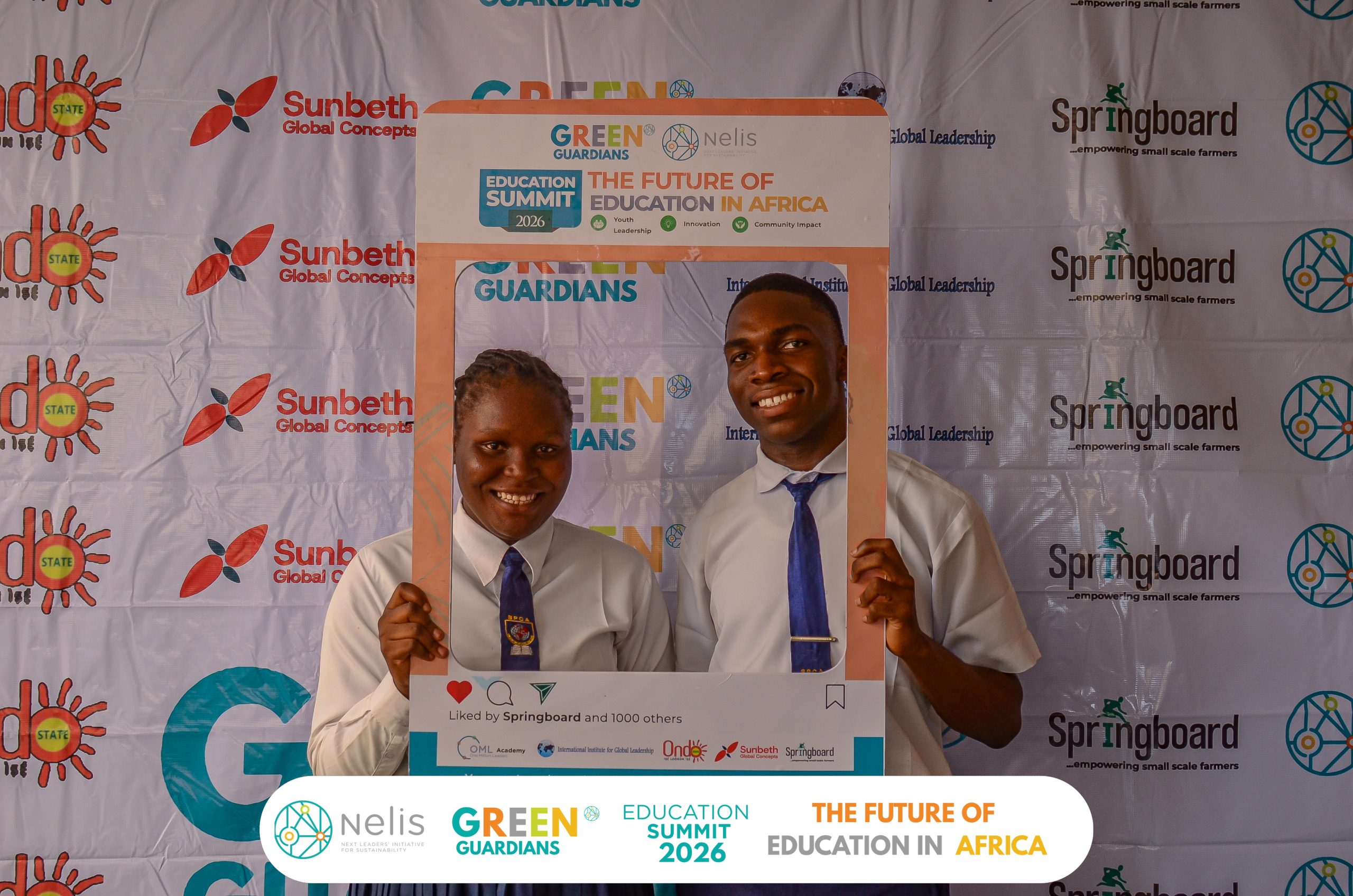
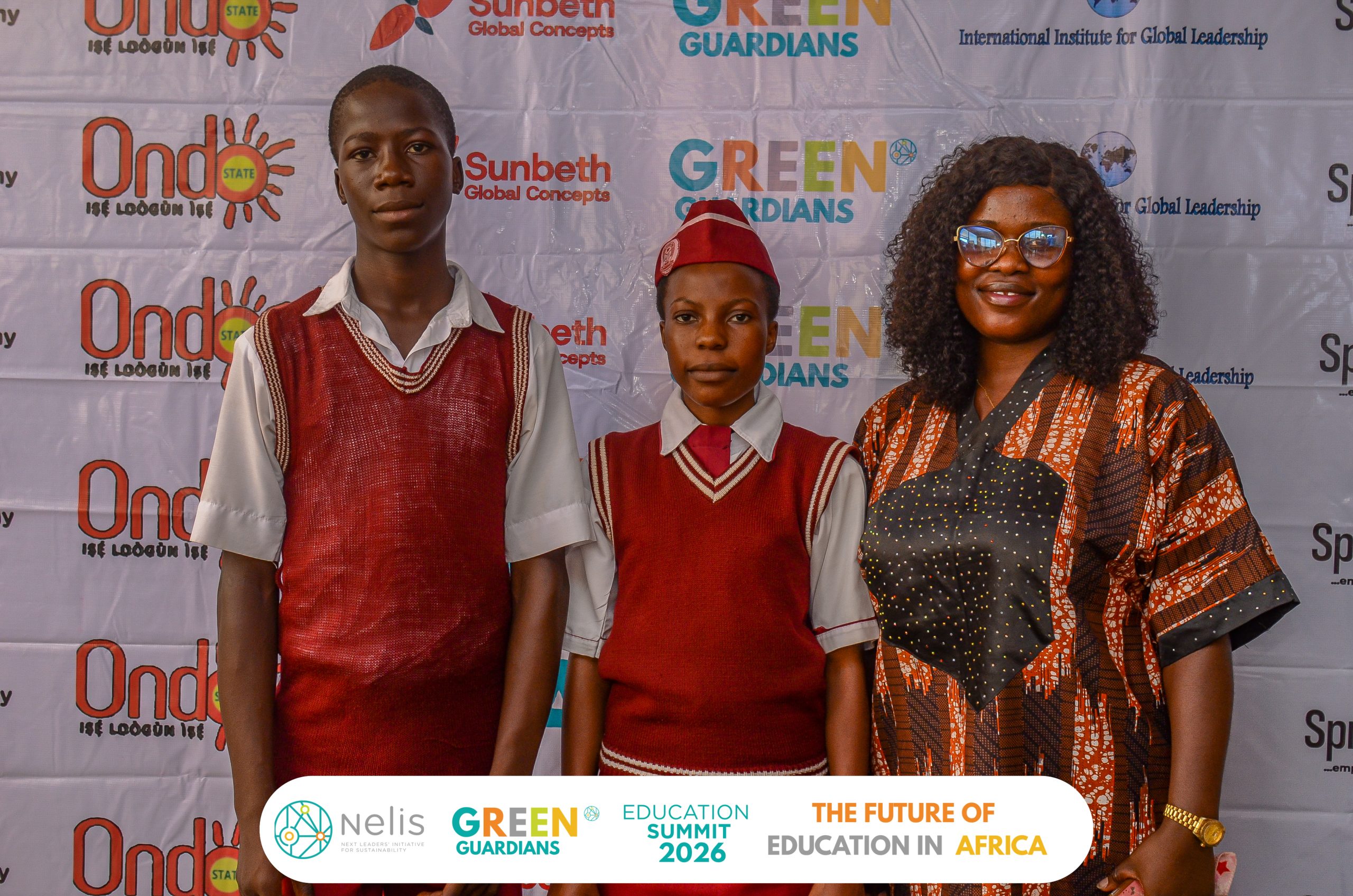
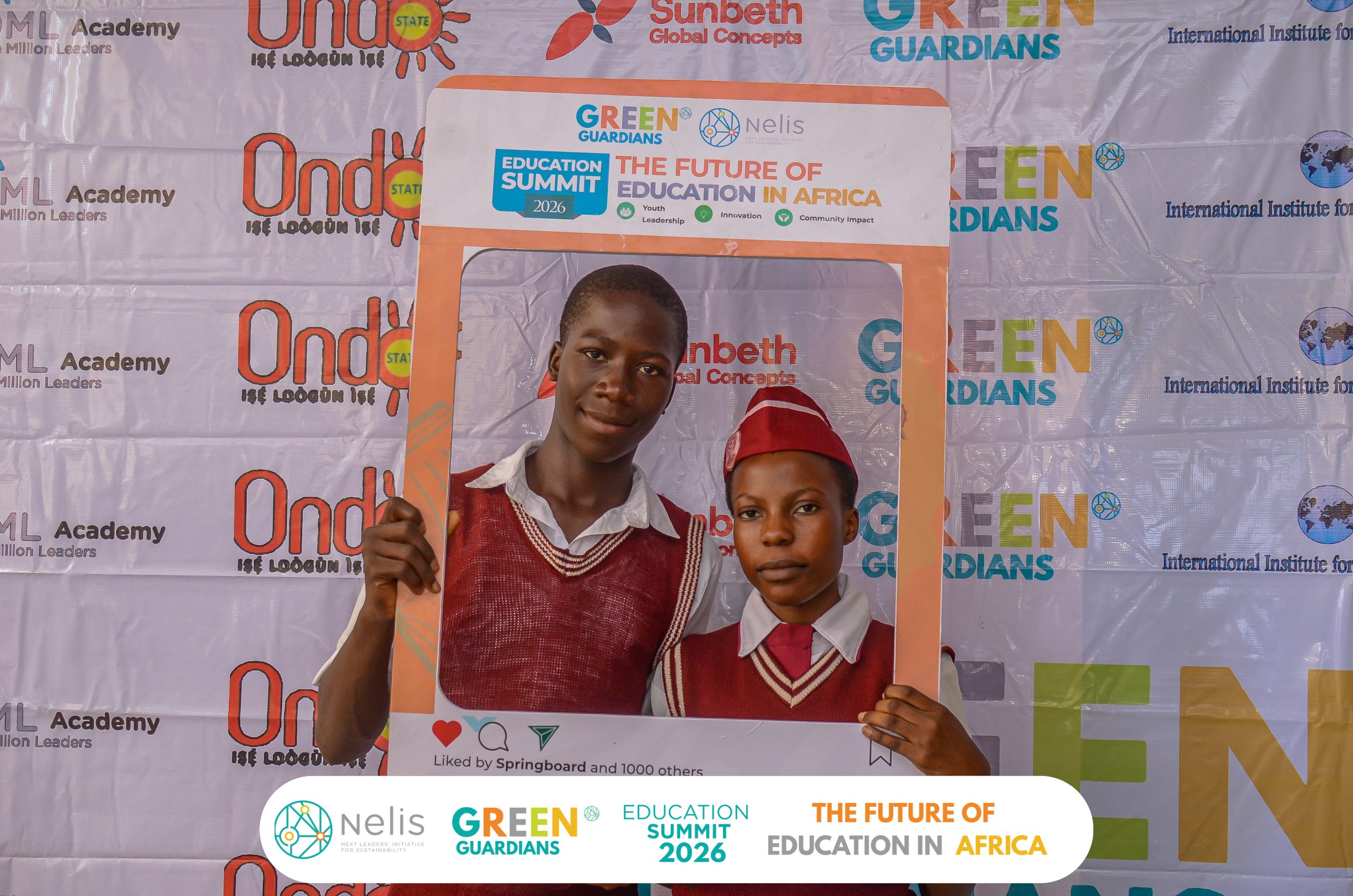
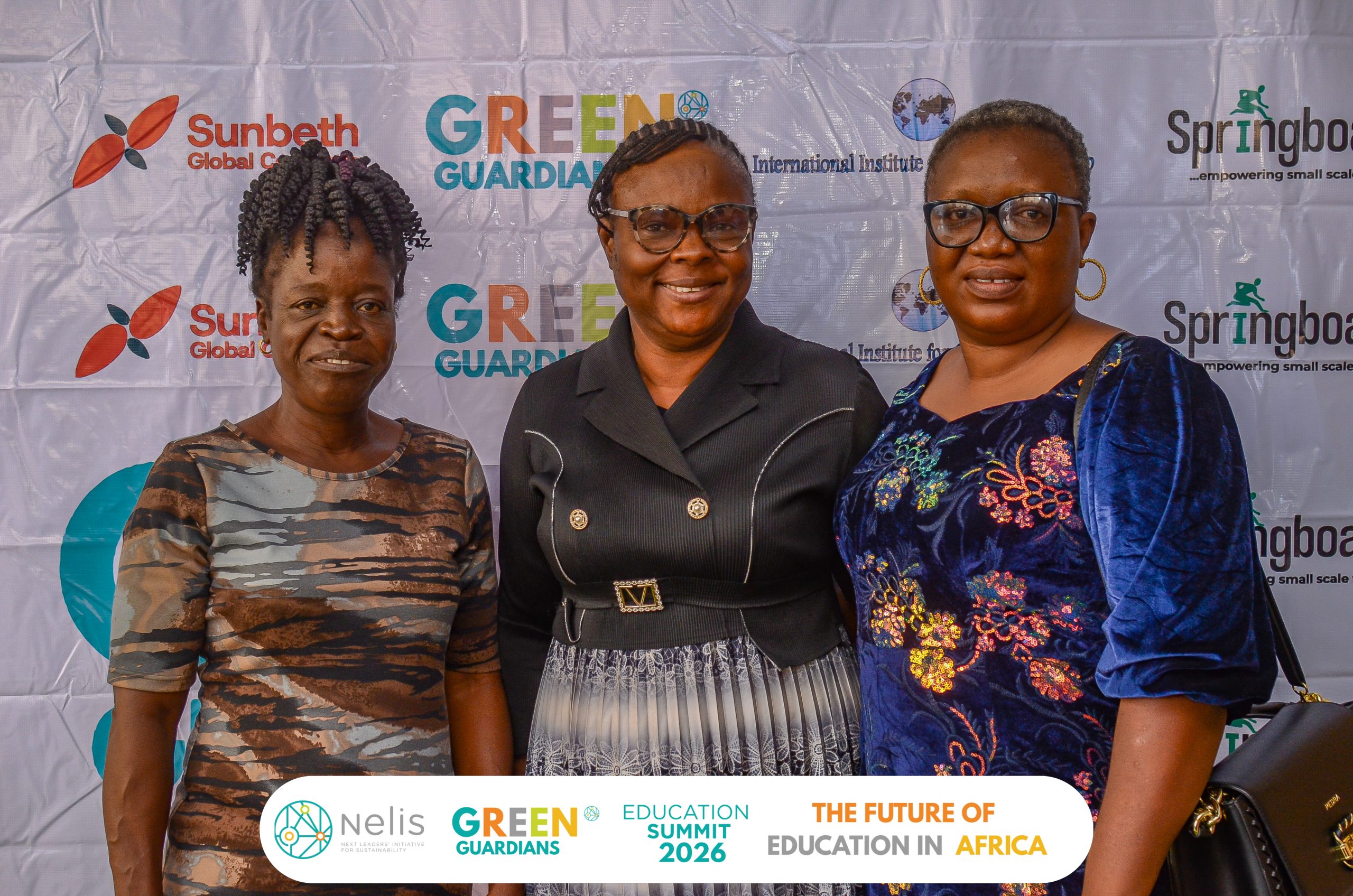
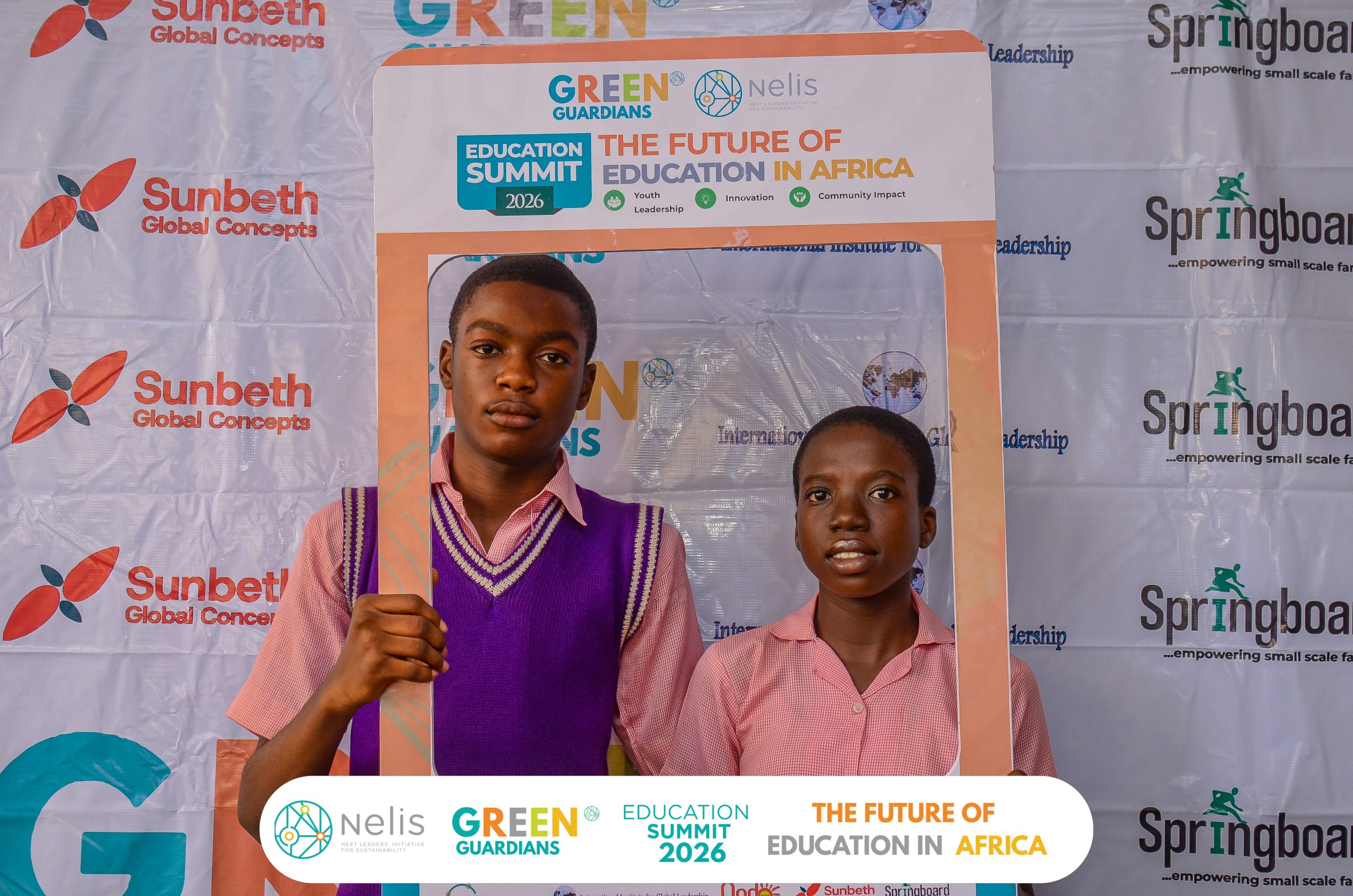
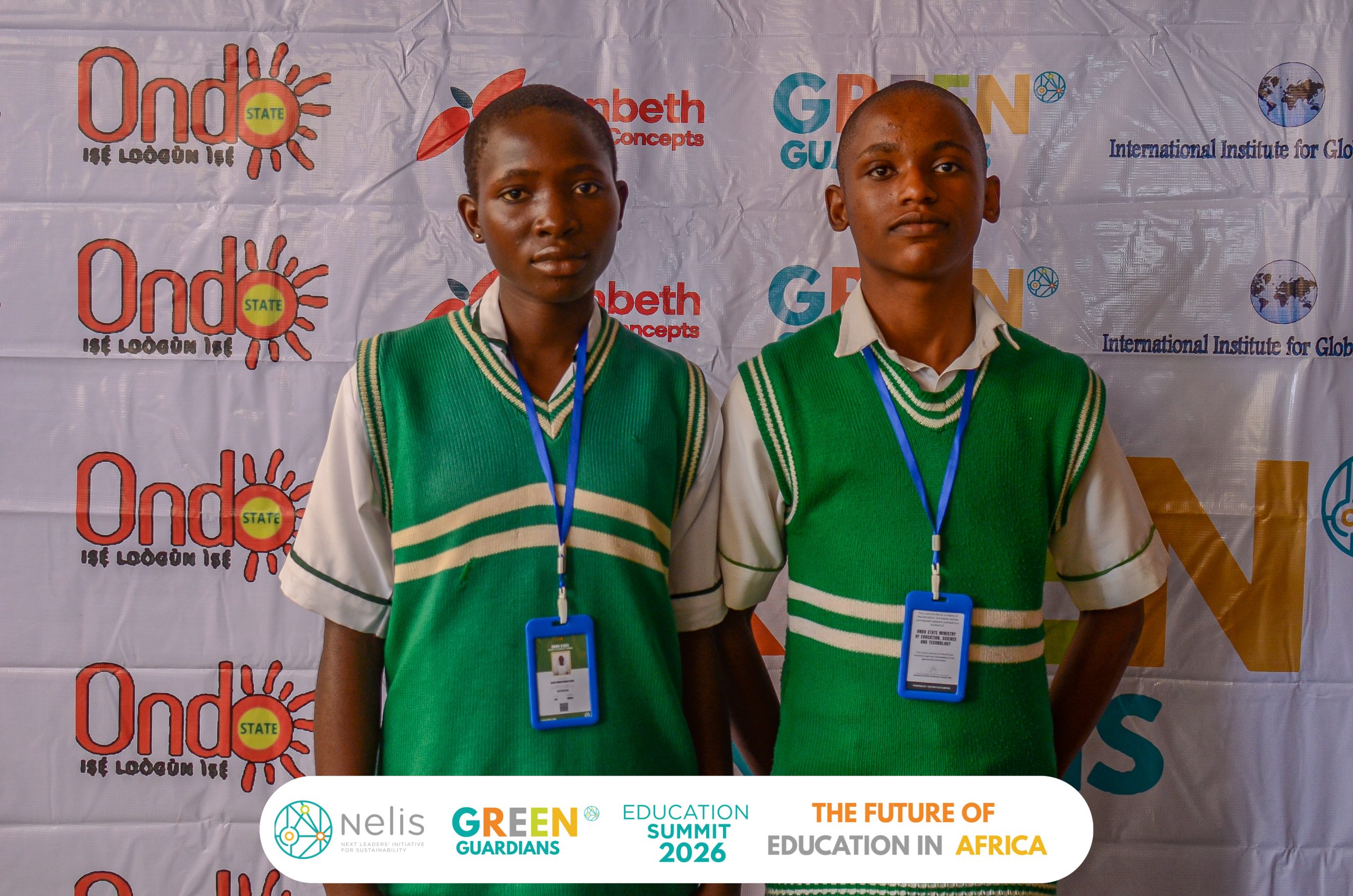
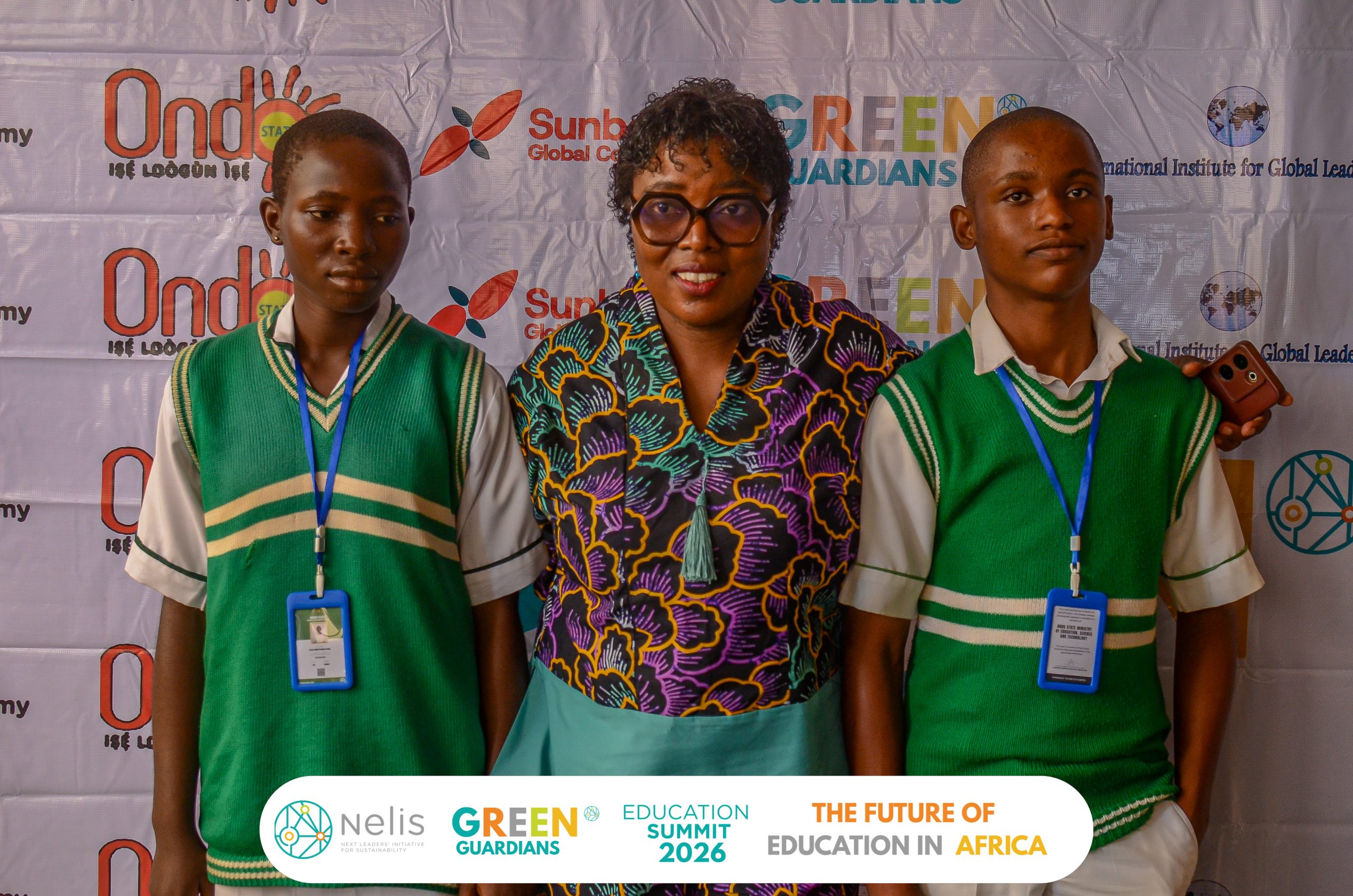
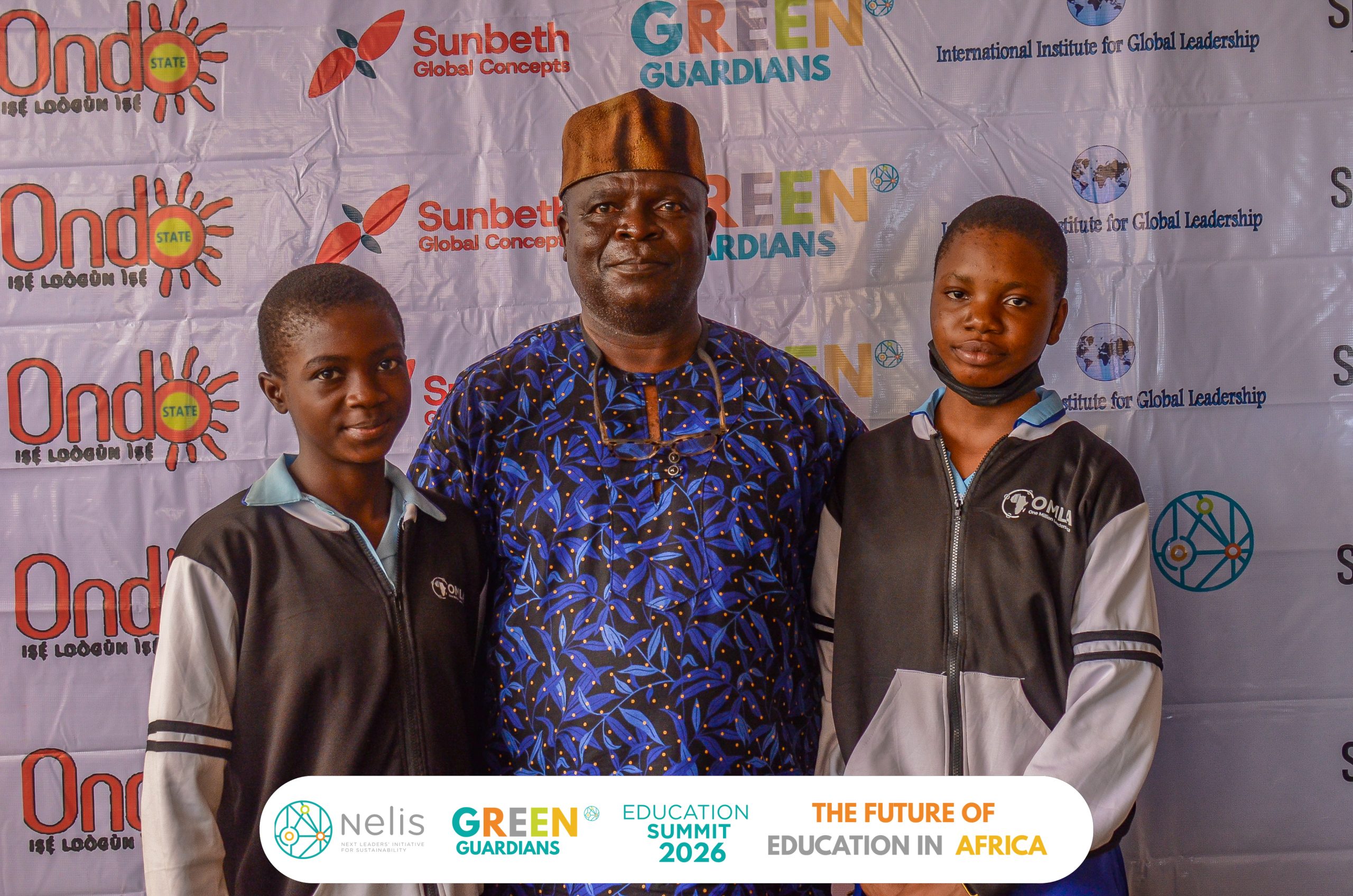
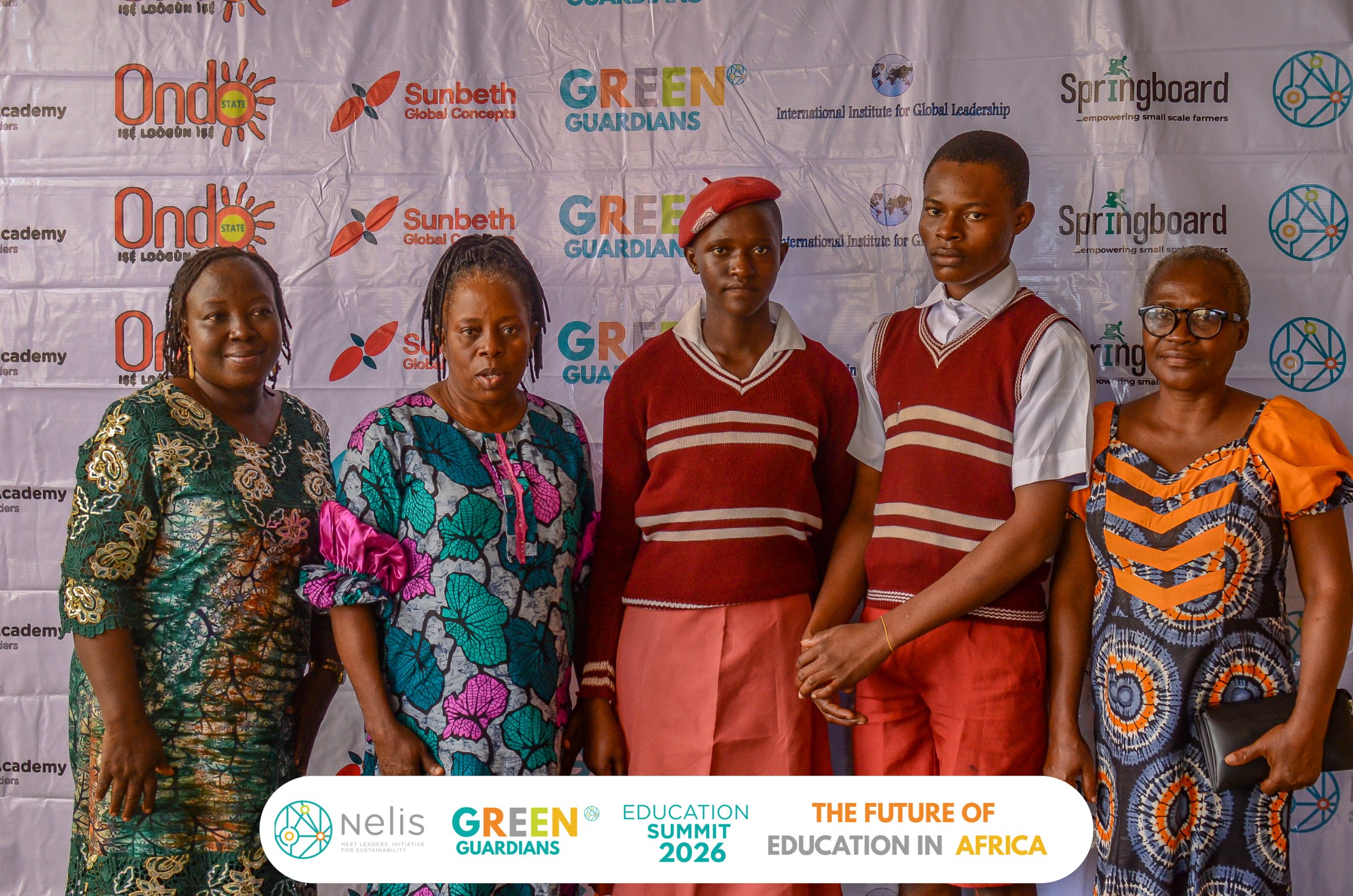
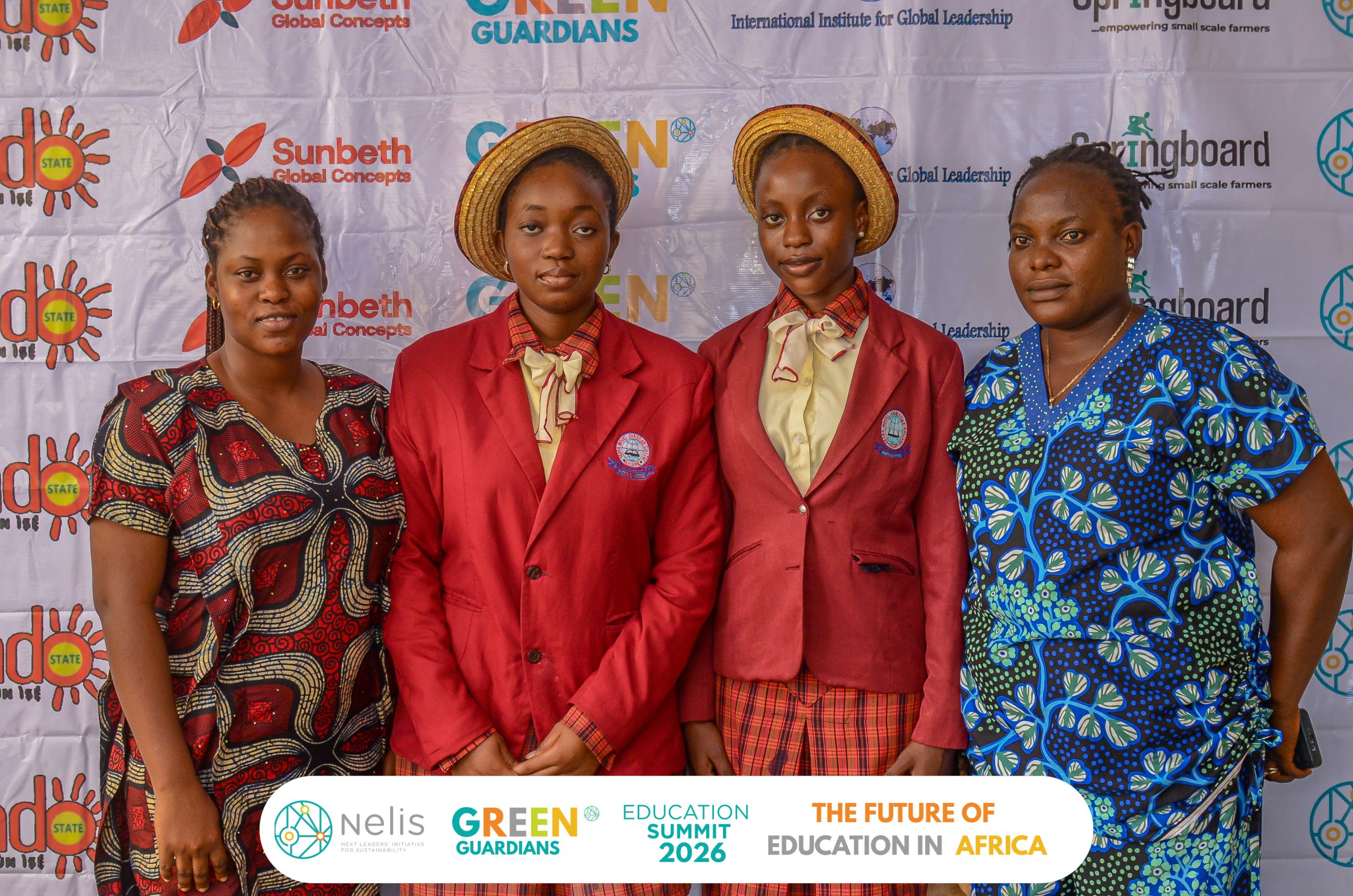
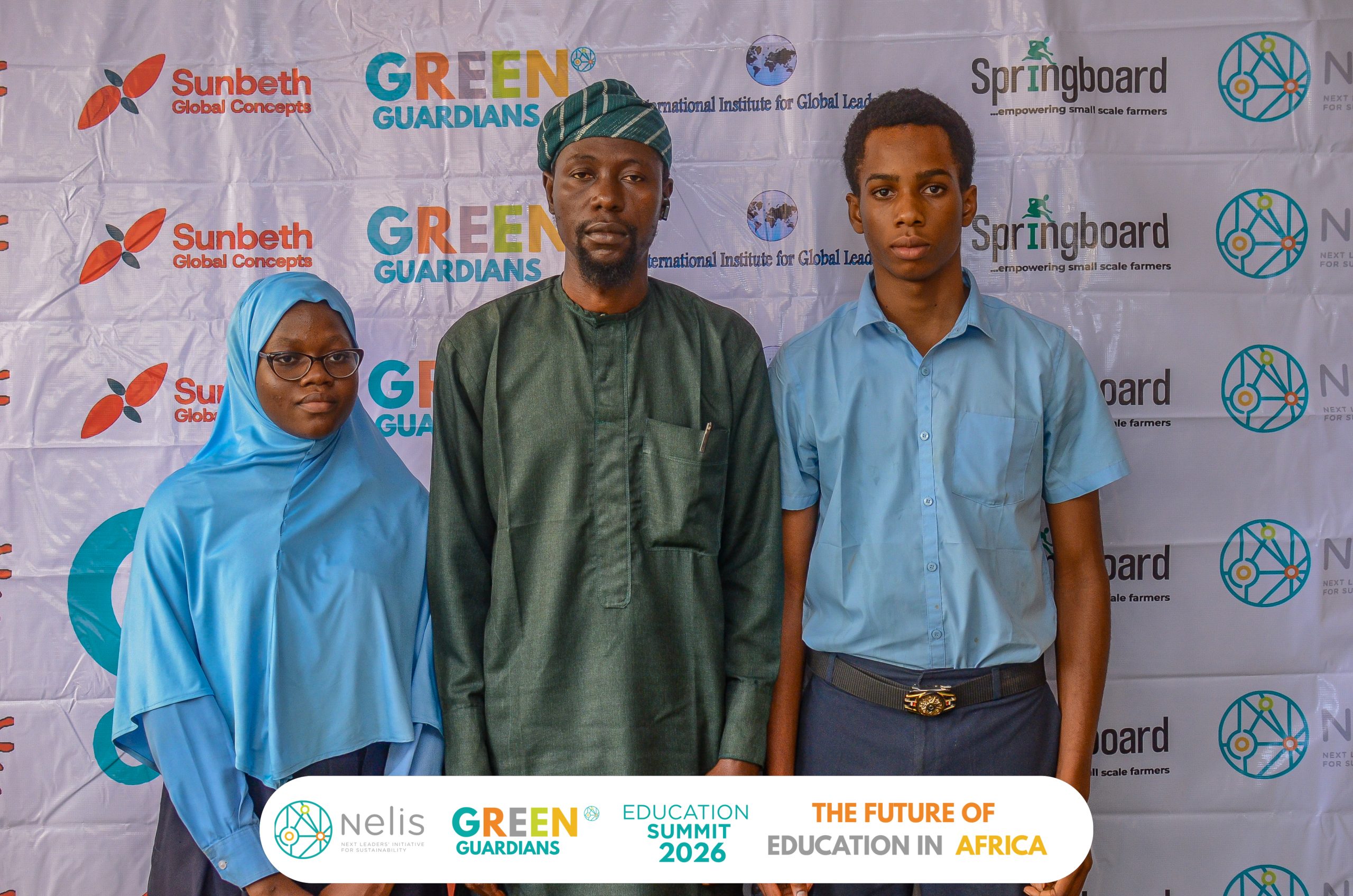
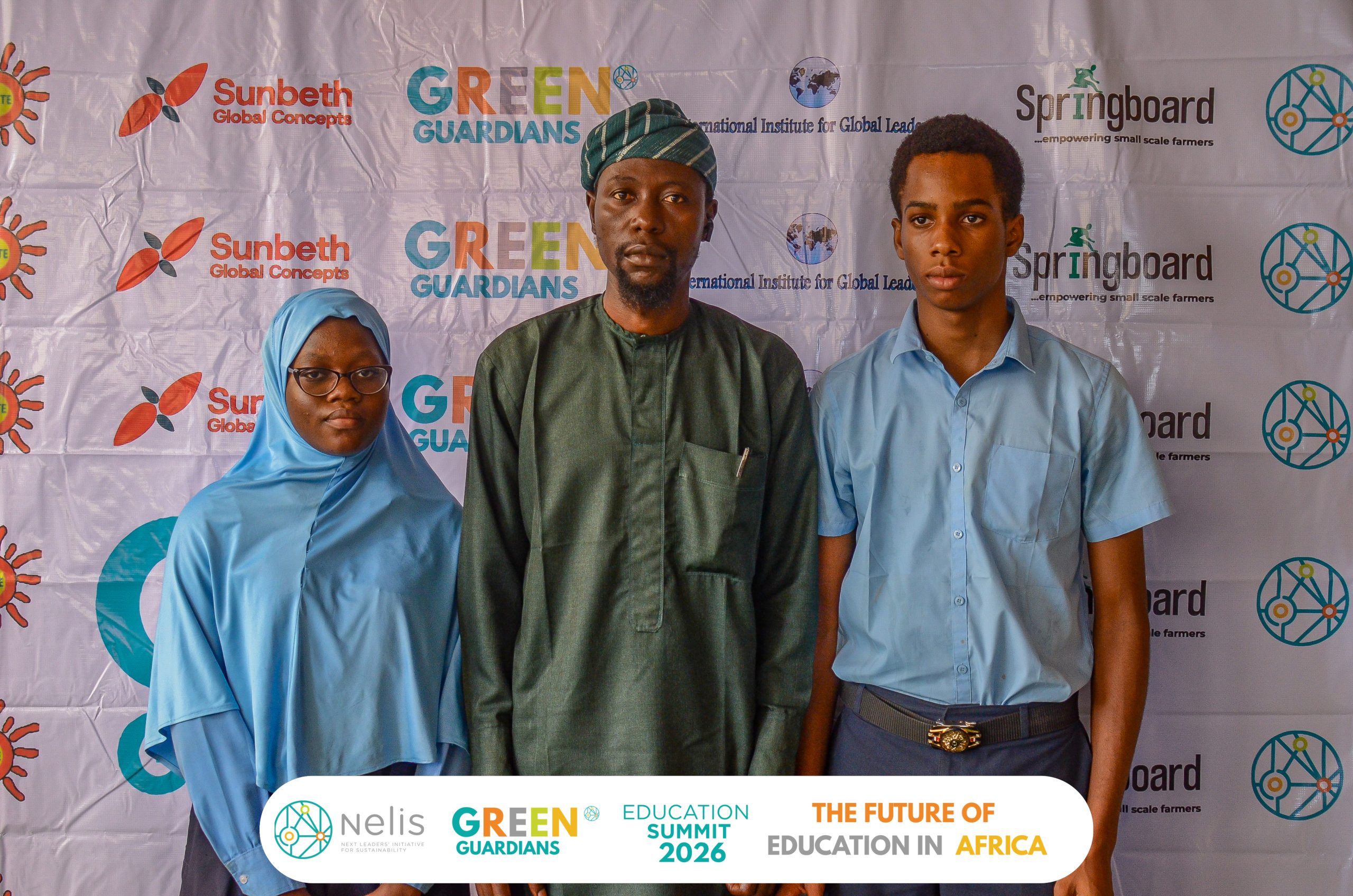
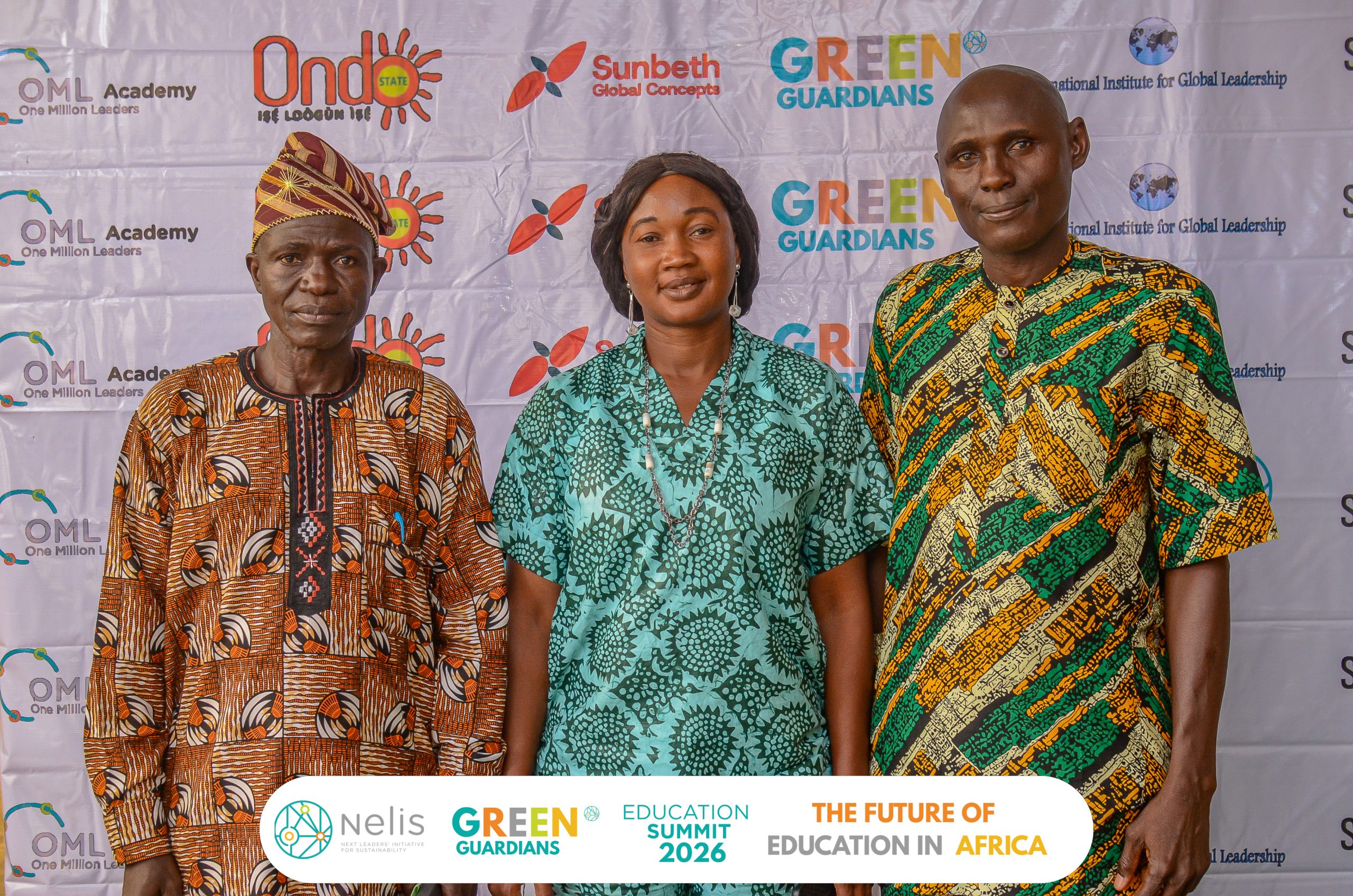
The Green Guardians Education Summit closed with a renewed call for schools, parents, government institutions, and development partners to work together in building future-ready education systems across Africa. As Green Guardians moves into school implementation, the focus remains clear: to raise young leaders who can learn, lead, act, and become solution-driven change makers in their schools, communities, and the continent at large.